Shahed-136 Explained: How Iran’s Cheap Drone Became Russia’s Geran Weapon
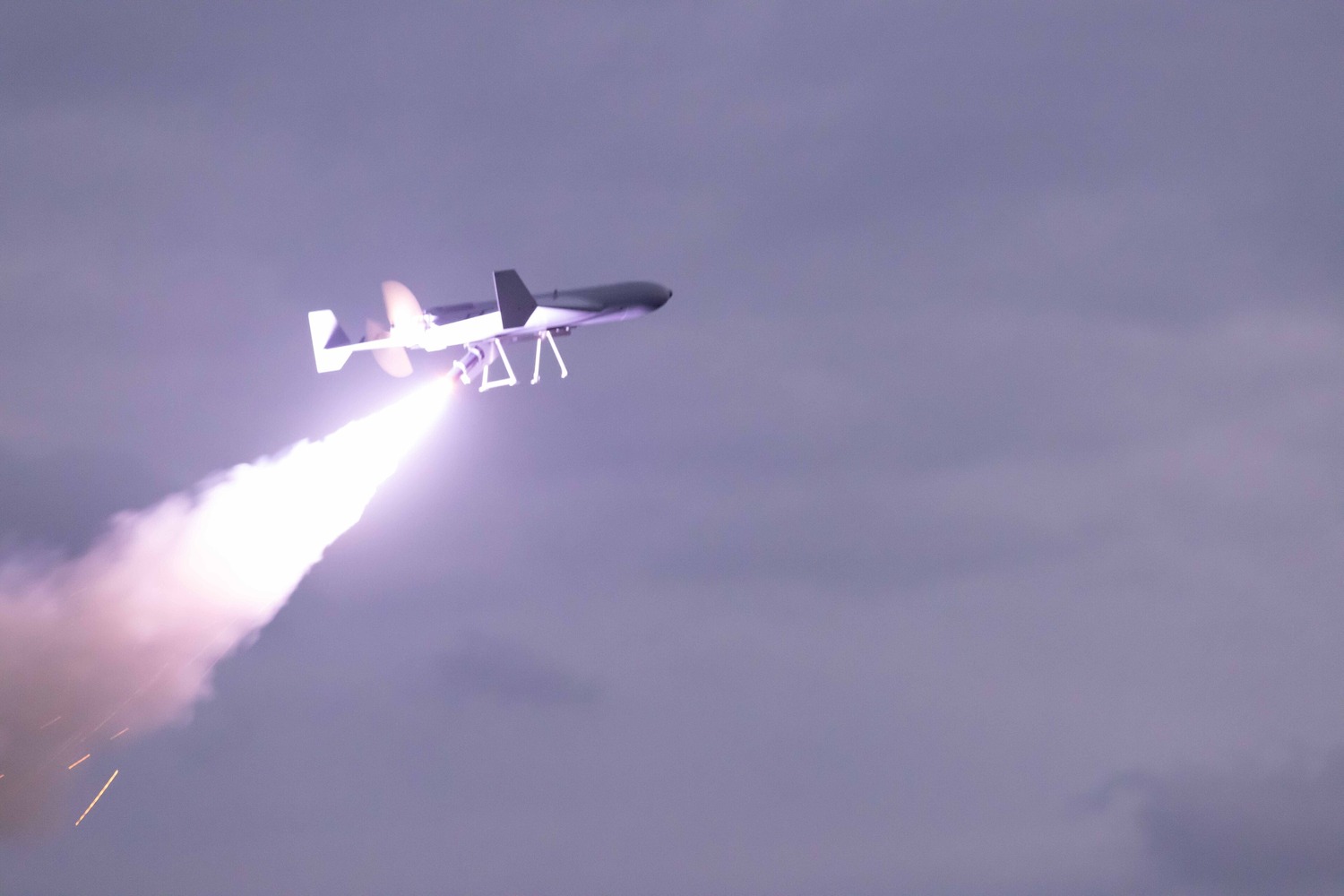
Shahed drones are Iranian-designed one-way attack drones that Russia now mass-produces as the Geran-2. Here is how the Shahed-136 works, how it keeps changing and what the jet-powered Shahed-238 adds.
Choose Clash Report as a preferred source and see our reporting first in Top Stories.
- Iran designed the Shahed-136 one-way attack drone, and Russia now builds its own version, the Geran-2, at a reported rate of about 2,800 a month.
- Russia has redesigned the drone repeatedly since 2022, adding jet engines, cameras, mesh radios and even air-to-air missiles.
- The United States and China have built Shahed-style copies, including the U.S. LUCAS drone first used in Operation Epic Fury.
Few weapons have shaped a war as much as a cheap, propeller-driven drone. Shahed-type drones now strike Ukraine regularly, often in large night attacks.
This guide explains what the Shahed-136 is, how it works, how Russia turned it into the Geran family and what newer models like the Shahed-238 mean for air defense.
What Is the Shahed-136?
The Shahed-136 is a one-way attack drone, sometimes called a kamikaze drone or loitering munition. It flies to a target and explodes on impact instead of returning.
It was developed in Iran by Shahed Aviation Industries. Houthi rebels first used the design against Saudi Arabia in 2019, according to CSIS.
- Type: one-way attack drone with a delta wing
- Length: about 11.5 feet (3.5 m)
- Wingspan: about 8.2 feet (2.5 m)
- Engine: a 50-horsepower piston engine copied from the German Limbach L550E
- Original warhead: a 118-pound (about 54 kg) penetrator, per CSIS
- Russian name: Geran-2
How Shahed Drones Work
Early versions followed a preprogrammed route using satellite navigation backed by an inertial unit. They could not report back to operators whether a strike had worked.
The piston-engine models are slow compared with missiles, so guns and interceptor drones can catch them. The challenge is the sheer number launched at once.
From Shahed to Geran: Russia’s Version
Russia received its first Iranian Shahed-136 and Shahed-131 drones in mid-August 2022, CSIS says. Ukrainian forces recovered the first documented one near Kupiansk on Sept. 13, 2022.
Russia then agreed a $1.75 billion deal with Iran to build the drone at home, CSIS reported. Main production is at the Alabuga Special Economic Zone in Tatarstan, with a second line in Izhevsk.
Ukraine’s Defense Intelligence estimated in August 2026 that Russia makes about 2,800 Geran-2 drones per month. That would be more than 33,600 a year.
Also read: Europe Rushes to Produce Cheap Air Defenses
How the Shahed Keeps Changing
Russia has treated the drone as a platform that changes every few weeks, CSIS says. Battlefield feedback goes almost straight back to the factory.
- Anti-jamming: satellite antennas grew from four elements to 16 as Ukrainian electronic warfare improved.
- Live control: 4G modems, cameras and Chinese mesh radios turned the drone into a remotely guided weapon.
- Bigger warheads: newer Russian warheads reach nearly 200 pounds, CSIS reports.
- Self-defense: some carry R-60 air-to-air missiles or Verba shoulder-fired missiles to hit helicopters and interceptors.
- Mothership: in March 2026, one Geran was spotted carrying two small FPV drones.
Shahed-238 and the Jet-Powered Gerans
The Shahed-238 is Iran’s jet-powered version. It appeared in Ukraine as early as January 2024, CSIS says.
Russia’s jet Geran-3 used a Chinese turbojet to reach up to 300 mph, about twice the Geran-2’s top speed. But its old airframe could not handle the stress of high-speed turns.
In 2026, Russia introduced the Geran-4, with a stronger airframe and a top speed of 311 mph, and the cruise missile-like Geran-5. Ukraine’s Defense Intelligence said in August 2026 that Russia had stopped making the Geran-3.
Ukraine is testing new defenses against them. A Ukrainian laser reportedly shot down a jet-powered Geran in November 2026.
Who Uses or Copies the Shahed?
- Iran: the original designer and user.
- Russia: the largest user, under the Geran name.
- Houthis in Yemen: first combat use, against Saudi Arabia in 2019.
- United States: the LUCAS drone, which CSIS says was first used in Operation Epic Fury.
- China: the Feilong-300D, shown at an air show in 2024.
Iran’s drones sit alongside a large missile force. Clash Report has detailed Iran’s missile arsenal, ranges and stockpile.
Why It Matters
The Shahed proved that cheap, mass-produced drones can force a richer enemy to spend expensive missiles on them. That cost gap is pushing armies toward guns, interceptor drones and lasers.
It also changed how weapons are built, as Russia’s rapid redesigns show. Read more on laser air defense.
Frequently Asked Questions
What is a Shahed drone? An Iranian-designed one-way attack drone that crashes into its target and explodes.
What is the difference between the Shahed-136 and Geran-2? The Geran-2 is Russia’s name for its own license-built and heavily modified Shahed-136.
How fast is the Shahed-136? The piston-engine version flies at roughly half the 300 mph speed of the jet-powered Geran-3, according to CSIS.
Who makes Shahed drones? Iran’s Shahed Aviation Industries designed them, and Russia mass-produces its version at Alabuga and Izhevsk.
Kamer Kurunç
Kamer Kurunç is the Editor-in-Chief of Clash Report and has led the outlet for four years. Kamer sets the site's editorial direction and writes and edits coverage across the World and Defense sections, with a focus on the Russia-Ukraine war, NATO, Israel and Iran, Türkiye, North Korea and nuclear weapons. Kamer has written more than 1,100 articles for Clash Report.
Choose Clash Report as a preferred source and see our reporting first in Top Stories.