Laser Air Defense Explained: Iron Beam, DragonFire and Who Else Has It
Lasers promise to down drones for a few dollars a shot. Here is how Israel’s Iron Beam, Britain’s DragonFire, Ukraine’s Blysk and Türkiye’s GÖKBERK and ALKA compare.
Choose Clash Report as a preferred source and see our reporting first in Top Stories.
- Laser weapons promise to shoot down drones for a few dollars a shot, compared with tens of thousands for a missile.
- Israel’s Iron Beam, Britain’s DragonFire and Ukraine’s Blysk are the best-known systems, but few have a confirmed combat record.
- Türkiye’s ASELSAN and Roketsan have fielded smaller lasers aimed at small drones.
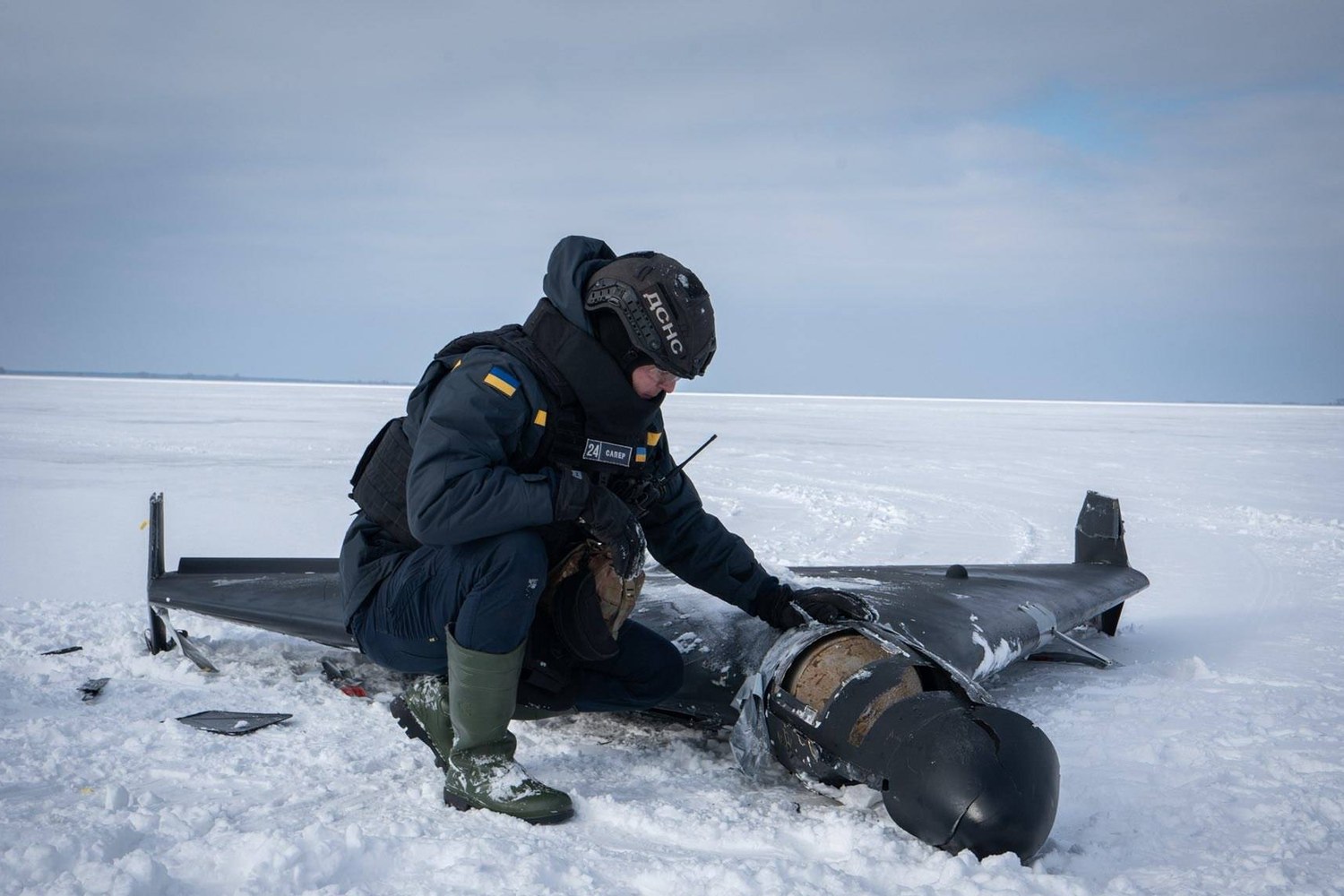
Cheap drones have changed air defense. Russia fires hundreds of Shahed-type drones at Ukraine in a single night, and Iran and its allies have used them across the Middle East.
Shooting each one down with a missile is ruinously expensive. Lasers offer a different equation: once the system is built, each shot costs little more than the electricity it uses.
How Does Laser Air Defense Work?
A high-energy laser focuses a beam of light on one spot of a target. It heats the surface until the casing burns through, the engine fails or the warhead detonates.
The beam travels at the speed of light, so there is no need to lead the target. It must, however, stay on the same point for several seconds, which limits how many targets one laser can handle at once.
Power matters most. Systems of a few kilowatts can blind cameras or destroy small drones at short range. Systems of 50 to 100 kilowatts aim to stop larger drones, rockets and mortar shells several kilometers away.
Laser Air Defense Systems Compared
| System | Country | Reported power | Main targets | Status |
|---|---|---|---|---|
| Iron Beam | Israel | About 100 kW | Drones, rockets, mortars | Delivered December 2025; limited use so far |
| DragonFire | United Kingdom | Not disclosed | Drones, possibly missiles | Due on a Type 45 destroyer by 2027 |
| HELIOS | United States | 60 kW | Drones; can dazzle sensors | Installed on destroyer USS Preble |
| Blysk | Ukraine | 4 kW | Shahed-type drones | Reportedly on duty in Kyiv since November 2026 |
| GÖKBERK | Türkiye | 5 to 10 kW | Small drones, IEDs | Offered by ASELSAN |
| ALKA | Türkiye | 50 kW (laser) | Small drones | Unveiled by Roketsan in 2019 |
Power figures come from the makers or official statements and have not been independently tested. Several governments keep range and performance data classified.
Israel’s Iron Beam
Iron Beam, built by Rafael with partners including Elbit Systems, is designed to hit drones, rockets and mortar shells at up to 10 kilometers. It is meant to work alongside Iron Dome, not replace it.
Israel’s Defense Ministry delivered the first system to the military in December 2025, calling it the first high-power laser interceptor to reach full operational maturity.
Its war record is thinner than that claim suggests. The military said in March 2026 that it was not using Iron Beam regularly during the war with Iran, The Jerusalem Post reported. The air force later said it would need 14 batteries to make a significant impact.
Smaller Israeli lasers have a longer combat record. The Defense Ministry said in 2025 that laser systems, including the lighter Lite Beam, shot down about 40 Hezbollah drones in October 2024.
Britain’s DragonFire
DragonFire is being developed by MBDA UK with Leonardo and QinetiQ. In November 2025, the Ministry of Defence signed a £316 million contract to fit it to a Type 45 destroyer within two years, five years earlier than planned.
The Royal Navy says each shot costs about £10, against more than £1 million for a Sea Viper missile. It says the laser can hit a £1 coin from a kilometer away and has destroyed high-speed drones in trials.
Its range is classified. If it enters service on schedule, it will be the first high-power laser weapon in service with a European country, according to the Royal Navy.
Ukraine’s Laser Air Defense
Ukraine has the most urgent need. In December 2024, the commander of its Unmanned Systems Forces said Ukraine had a laser called Tryzub that could hit targets flying above 2 kilometers, Reuters reported. Few details have been released since.
A second system, Blysk, built by the private company Carmine Sky, went on duty protecting Kyiv in November 2026. Its maker says it fires a 4-kilowatt beam with a range of up to one kilometer.
On Nov. 25, presidential adviser Serhii Beskrestnov said a Ukrainian laser had shot down a jet-powered Shahed, which he called a world first. The claim has not been independently confirmed, and he said it was too early to talk about serial production.
Türkiye’s Laser Weapons: GÖKBERK and ALKA
Turkish companies have worked on directed-energy weapons for more than a decade, mostly to stop small drones used against troops and bases.
- GÖKBERK (ASELSAN): A mobile system on a 6x6 vehicle that pairs a 5-kilowatt laser with the İHTAR anti-drone system’s radar and jammers, according to ASELSAN’s brochure. A newer GÖKBERK 10 version is rated at up to 10 kilowatts.
- ALKA (Roketsan): Unveiled in 2019, it combines a 50-kilowatt laser with an electromagnetic jammer. Roketsan says the laser can destroy a target at 500 meters, Defense News reported in 2021.
- Earlier systems: ASELSAN’s LSS targets mini drones up to 500 meters away, and the vehicle-mounted ARMOL laser entered service in 2019, according to Defense News.
Defense News and Turkish media reported that an ALKA shot down a Chinese-made Wing Loong II drone in Libya in August 2019. That claim has never been independently confirmed.
ASELSAN is also betting on electromagnetic weapons that fry drone electronics. It says its EJDERHA system disabled 51 drones in a test this month.
What Lasers Cannot Do Yet
- Weather: Cloud, fog, rain and dust scatter the beam. Blysk’s maker said cloud and fog stopped it from hitting anything in its first days on duty.
- Dwell time: A laser needs seconds on each target, so a large swarm can still overwhelm it.
- Range: Most systems work only at a few kilometers, far short of ballistic missiles. Israeli sources told The Jerusalem Post that lasers able to stop such missiles could be five to 10 years away or more.
Why It Matters
Air defense is a contest of costs. Attackers can build drones far faster and more cheaply than defenders can build interceptor missiles.
Lasers could reverse that balance against slow, low targets. They will not replace missiles soon, but armies are now buying them as one more layer to save interceptors for the threats that need them.
Frequently Asked Questions
Is Iron Beam operational? Israel delivered the first system to its military in December 2025, but it has seen limited use. The military said it was not used regularly during the 2026 war with Iran.
How much does a laser shot cost? Britain puts a DragonFire shot at about £10. The U.S. Congressional Research Service has estimated $2 to $4 per Iron Beam shot, not counting the system itself.
Can lasers shoot down ballistic missiles? Not yet. Current systems are built for drones, rockets and mortars at short range.
Does Türkiye have laser weapons? Yes. ASELSAN’s GÖKBERK and Roketsan’s ALKA are designed to destroy small drones at short range.
Kamer Kurunç
Kamer Kurunç is the Editor-in-Chief of Clash Report and has led the outlet for four years.
Choose Clash Report as a preferred source and see our reporting first in Top Stories.