Pakistan Deploys Troops to Saudi Arabia After Mecca Alliance Meeting
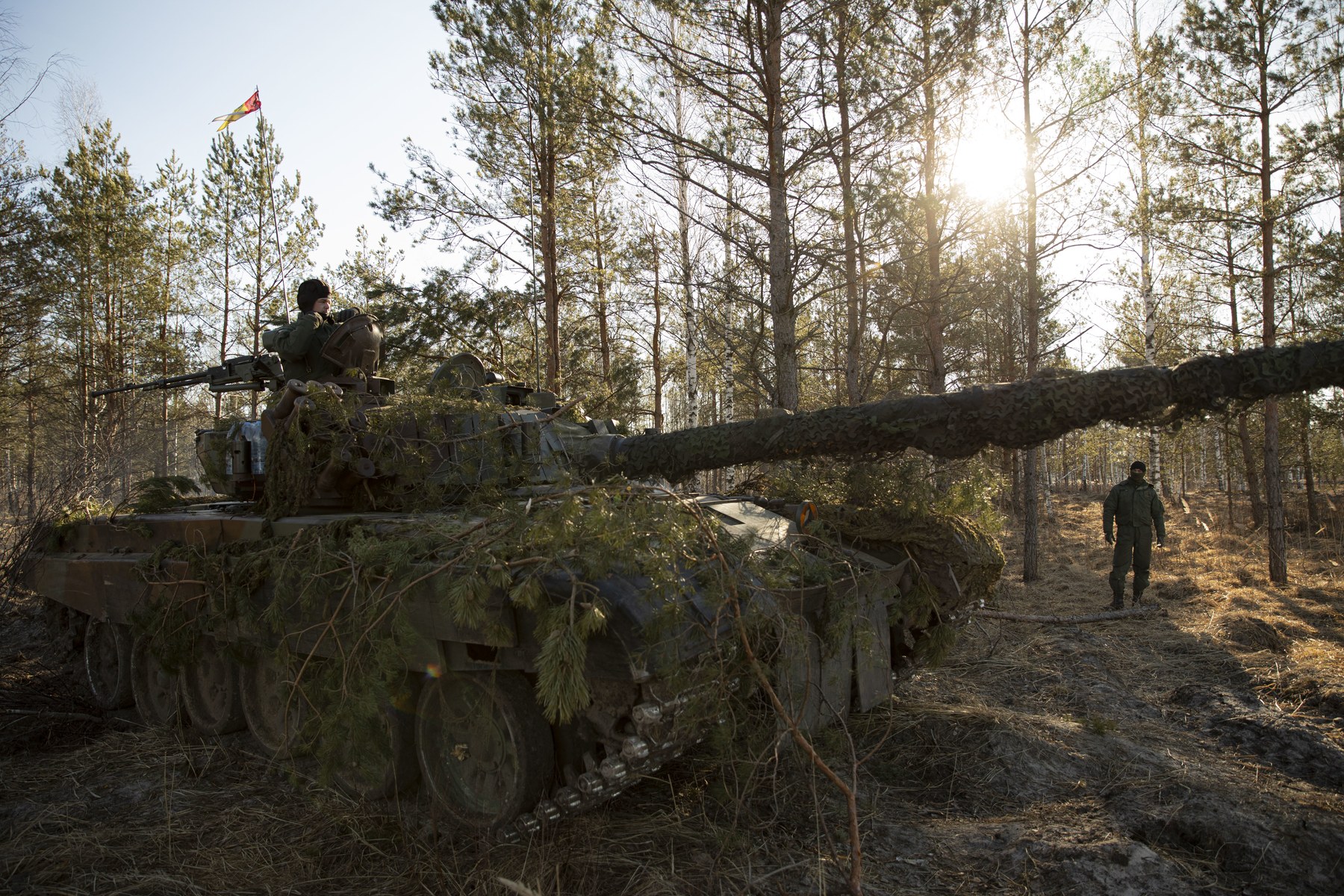
Pakistan has sent army troops to Saudi Arabia, its military said Sunday, a day after Mecca Alliance for Defense leaders from Pakistan, Saudi Arabia and Türkiye met in Islamabad amid Houthi attacks on the kingdom.
Choose Clash Report as a preferred source and see our reporting first in Top Stories.
- Pakistan’s military says the troops will operate inside Saudi territory under existing defense agreements.
- Reuters says the statement is the military’s first public comment on deployments to the kingdom.
- The move comes as the Houthis threaten Jeddah and other Saudi Red Sea ports.
Inter-Services Public Relations (ISPR), the army’s media wing, said a send-off ceremony was held on Saturday. Defense Minister Khawaja Asif and Saudi Ambassador Rajeh Tami Albugamy attended.
What the Army Said
The deployment “reflects Pakistan’s unwavering commitment to the security, sovereignty and territorial integrity” of Saudi Arabia, ISPR said in its Sunday statement.
The troops will “discharge their assigned responsibilities within Saudi territory,” under agreed commitments and the established framework of defense cooperation, it added.
The army said the mission would bolster the kingdom’s defensive capabilities “amid emerging security concerns.”
The statement did not say how many soldiers were sent, where they will be based or how long they will stay.
Islamabad Meeting Sets the Stage
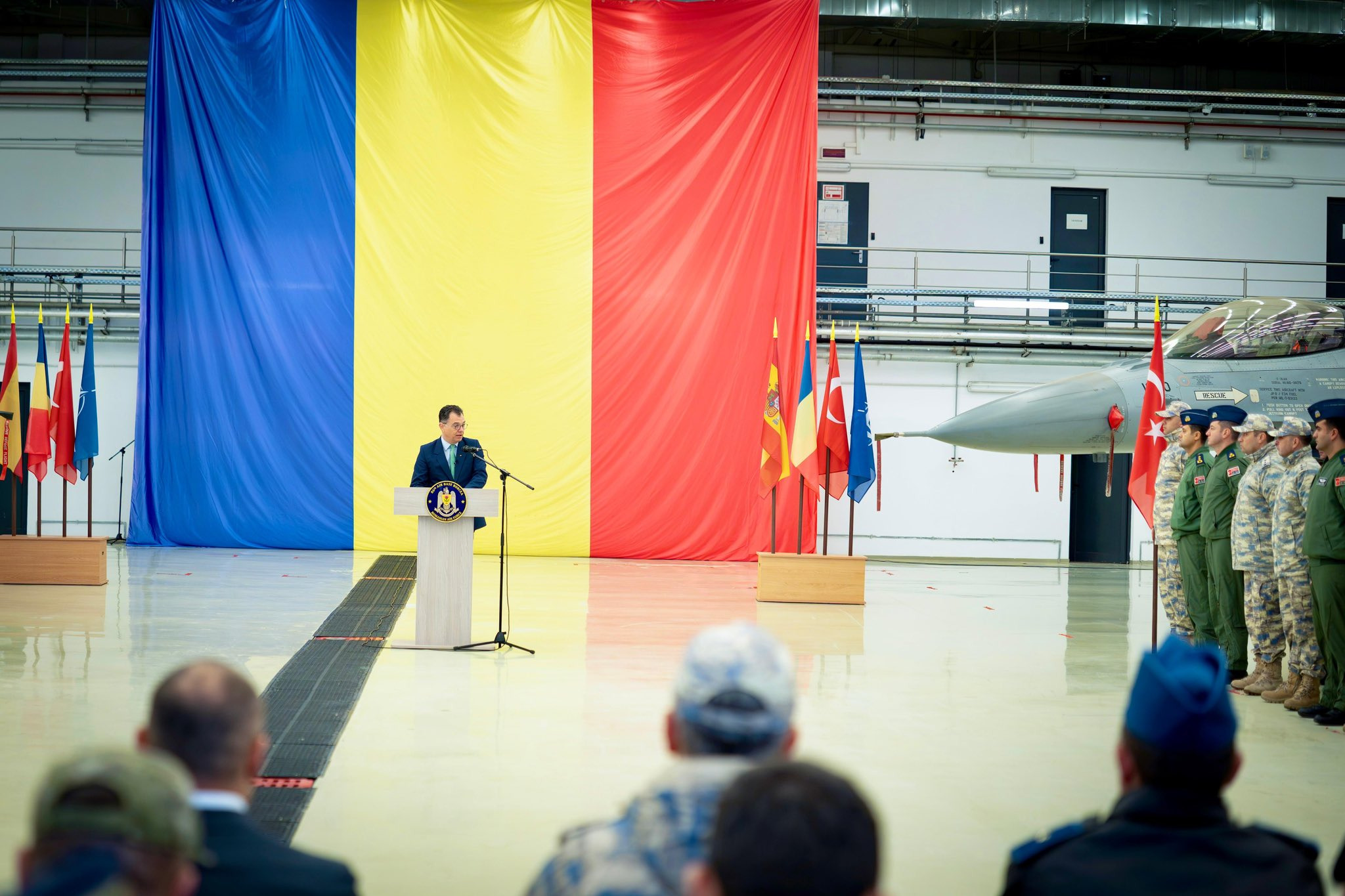
The send-off came a day after the second meeting of the Mecca Alliance for Defense’s Strategic Political and Defense Committee in Islamabad on Friday.
Türkiye’s Hakan Fidan and Yaşar Güler, Saudi Arabia’s Prince Faisal bin Farhan and Prince Khalid bin Salman, and Pakistan’s Field Marshal Asim Munir attended.
According to ISPR, the participants condemned “persistent and heinous” Houthi attacks on Saudi Arabia.
Also read: Mecca Pact in Effect: Türkiye, Pakistan to Deploy Forces in Saudi Arabia
Prime Minister Shehbaz Sharif said on Sunday that the pact had “further strengthened our strategic partnership,” Dawn reported. He added that the alliance was “against no country at all.”
A Pact Shaped by the Yemen War
Pakistan, Saudi Arabia and Türkiye signed the Mecca Joint Defense Agreement in August. It treats an armed attack on one member as an attack on all.
The deal followed escalating fighting between the Iran-aligned Houthis and Saudi-backed forces in Yemen.
Pakistani troops are not new to the kingdom. Reuters reported in May that Pakistan sent thousands of soldiers and a squadron of jets during the U.S.-Israeli war with Iran.
That deployment came under an earlier bilateral pact. In October, Reuters cited a Pakistani official as saying 30,000 to 40,000 soldiers were helping defend Saudi land borders.
Pakistan’s Foreign Office said last month that its forces in the kingdom would not cross into Yemen.
Also read: Saudi Arabia Asks Allies for More Interceptors Amid Houthi Attacks
Why It Matters
The announcement turns a long-quiet military presence into a public commitment. It also gives the Mecca alliance a concrete step beyond joint statements.
The timing is pointed. On Sunday, the Houthis threatened Jeddah and all Saudi Red Sea ports after the Saudi-led coalition ordered civilians to leave Yemen’s Ras Isa port.
Coalition spokesman Maj. Gen. Turki al-Maliki said the war could end “tomorrow” if the Houthis accept a UN-backed plan. Until then, he said, military pressure will continue.
The alliance has still not published its doctrine, force structure or command arrangements. How Pakistani troops would act in a wider clash with the Houthis remains unclear.
Kamer Kurunç
Kamer Kurunç is the Editor-in-Chief of Clash Report and has led the outlet for four years. Kamer sets the site's editorial direction and writes and edits coverage across the World and Defense sections, with a focus on the Russia-Ukraine war, NATO, Israel and Iran, Türkiye, North Korea and nuclear weapons. Kamer has written more than 1,100 articles for Clash Report.
Choose Clash Report as a preferred source and see our reporting first in Top Stories.