Germany Widens Military Cooperation With Ukraine, Documents Show
Germany plans a far-reaching expansion of military cooperation with Ukraine, including Ukrainian missiles, battlefield data and joint training, WELT AM SONNTAG reported, citing internal Defense Ministry documents.
Choose Clash Report as a preferred source and see our reporting first in Top Stories.
- Internal Defense Ministry documents seen by the newspaper describe plans for Ukrainian missiles, battlefield data for German AI tools and deeper joint training.
- Defense Minister Boris Pistorius last week announced a letter of intent on Ukraine’s Delta system; Germany also wants its source code for analysis.
- Talks on a drone agreement remain stuck over export levies, which German officials call red lines.
The Sunday paper said the plans also cover the joint development of new weapons and closer training of soldiers on both sides.
Battlefield Data and Delta
Germany intends to use Ukrainian battlefield data to train its own AI military applications via Ukraine’s Avengers platform, which analyzes drone video and identifies enemy equipment, the documents said.
An internal government document said a ministry-wide inquiry had shown “a high interest in Ukrainian battlefield data.” German industry has also approached the Defense Ministry more often since a German-Ukrainian letter of intent became known, it said.
The Bundeswehr wants to use Ukraine’s Delta battle-management system, which pools data into a digital common operating picture so soldiers can coordinate operations and engage targets more quickly. Germany also wants the source code for analysis.
Pistorius last week announced a letter of intent on further developing Delta. Ukrainian specialists have already been training German soldiers on the system for months.
Lt. Gen. Christian Freuding, soon to become the Bundeswehr’s highest-ranking officer, told WELT AM SONNTAG that Delta “could also modernize, even revolutionize our land warfare.” Ukrainian instructors with front-line experience are to teach at all German Army training schools, he said.
Also read: Germany Gets First Access to Ukraine’s DELTA Battle Management System
Missiles and Industry Plans
Ukraine is no longer only a recipient of military aid, the newspaper said, and now has weapons technologies to offer Germany.
Germany plans to finance more than 2,000 Ukrainian Bars long-range weapons at a cost of about €330 million, the documents said. The Bundeswehr wants to test an adapted variant and, if it qualifies, procure it from 2027.
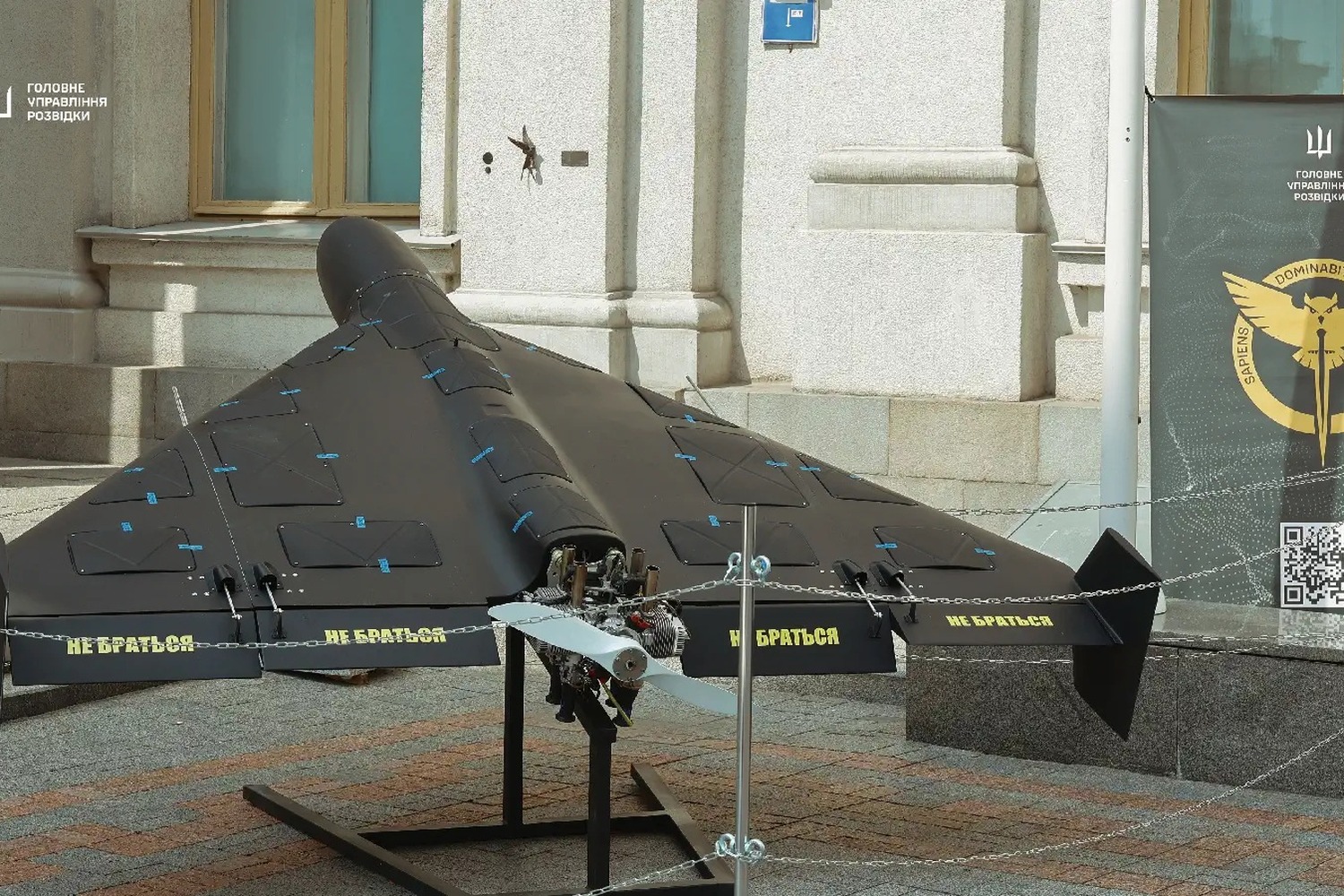
Berlin also wants test units of Ukraine’s Flamingo cruise missile but has faced months of difficulty because of Ukrainian export restrictions. Drone-agreement talks are stuck on export levies, and internal documents call tariffs and double taxation by Ukraine German red lines.
A major German defense company and a Ukrainian manufacturer plan to jointly develop a seeker for Ukraine’s Neptune cruise missile, the documents said, and Ukrainian interceptors are to be integrated into a German air-defense system. WELT AM SONNTAG did not name the companies, citing security reasons.
Germany is also seeking a major role in Freyja, a European missile-defense system Ukraine is developing amid a shortage of U.S. Patriot interceptors. German security circles consider it unrealistic that the system will be available in the coming months.
A confidential document said the goal was a “partnership on equal footing,” with Germany pointing to intellectual property it can contribute. In July, Berlin considered funding development costs through the EU loan for Ukraine.
Also read: Germany Turns to Cheap Ukrainian Cruise Missiles to Deter Russia
Why It Matters
The documents portray a shift in which Germany is not only arming Ukraine but also looking to Ukrainian, combat-tested technology for the Bundeswehr itself.
Carlo Masala, a professor at the University of the Bundeswehr in Munich, said the greatest potential lies beyond procurement. That includes learning to fight a numerically superior enemy, adapting tactics during operations, and Ukraine’s experience building an “innovative defense industry that is able to respond relatively quickly to the needs of the armed forces,” even in the middle of a war.
Kamer Kurunç
Kamer Kurunç is the Editor-in-Chief of Clash Report and has led the outlet for four years. Kamer sets the site's editorial direction and writes and edits coverage across the World and Defense sections, with a focus on the Russia-Ukraine war, NATO, Israel and Iran, Türkiye, North Korea and nuclear weapons. Kamer has written more than 1,100 articles for Clash Report.
Choose Clash Report as a preferred source and see our reporting first in Top Stories.