European Firms MBDA and Atmos Explore Orbital Deep Strike Weapons
Missile maker MBDA’s German arm and startup Atmos Space Cargo will study a Precision Orbital Deep Strike capability for Europe. The concept would hold conventional weapons in orbit and send them back to Earth on command.
Choose Clash Report as a preferred source and see our reporting first in Top Stories.
- MBDA Deutschland and Atmos signed a cooperation deal on November 18 to study “Precision Orbital Deep Strike,” or PODS.
- Atmos CEO Sebastian Klaus has pitched a system that could hit targets anywhere on Earth within 60 minutes.
- No weapon exists yet, and neither firm has disclosed a budget, timetable or government customer.
The agreement covers system architecture, technical feasibility, payload integration studies and possible technology demonstrations, the companies said.
The work is led by Atmos Works, the startup’s unit for European government and defense customers.
What the Companies Agreed
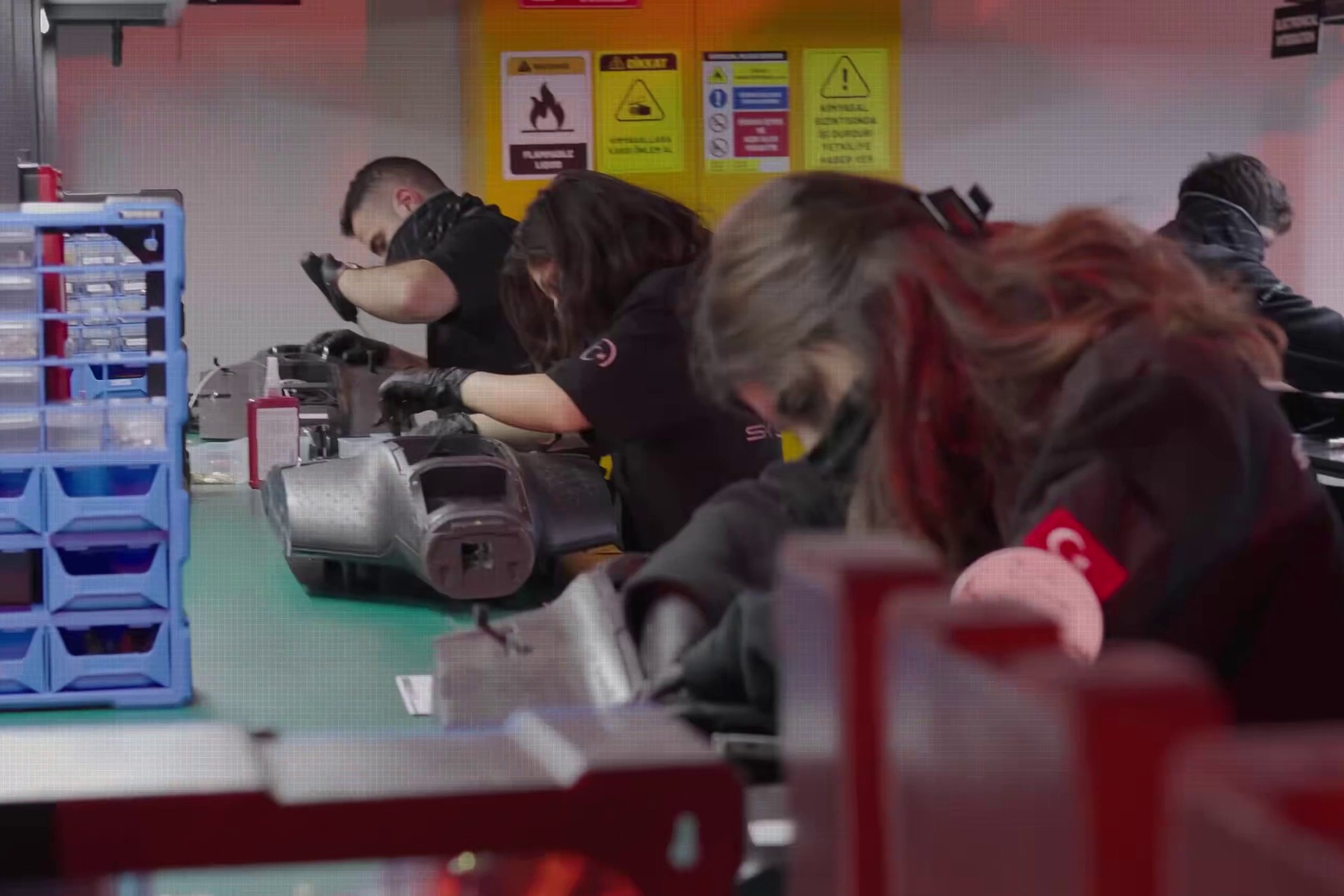
Atmos brings orbital transport and reentry technology. MBDA, Europe’s largest missile maker, brings defense systems and military payloads.
“Orbital transportation and return form a new layer of strategic infrastructure, and infrastructure determines what Europe can achieve on its own terms,” Klaus said.
Thomas Gottschild, managing director of MBDA Deutschland, said the goal is “a highly innovative sovereign European capability for our Armed Forces.”
Atmos said any future deployment would depend on applicable law and decisions by governments and military authorities.
Also read: France, Fearing Nuclear War, Wants Germany to Clarify Missile Doctrine
How PODS Could Work
According to Handelsblatt, the concept envisions dozens of capsules in low Earth orbit, with weapons kept aboard until needed.
The capsules would circle the planet at about 28,000 kilometers per hour. Handelsblatt said the payloads could include cruise missiles or rockets.
Klaus told the newspaper it is “the technically most complex weapons system ever conceived.”
Atmos tested its inflatable heat shield on an orbital flight in April 2025. It is now building the Phoenix 2 vehicle, with a 100-kilogram payload.
The company says its civilian Phoenix cargo vehicles will remain separate from PODS.
Big Hurdles Remain
Atmos has not yet shown a recoverable, independently maneuvering orbital vehicle, The War Zone noted.
Neither company has said what payloads it is considering or how PODS would hit targets precisely.
Real response times would depend on orbital paths, vehicle positions and the size of the constellation.
Satellites in low orbit are also easy to track. That could make them targets for Russian or Chinese counterspace weapons in a war.
Also read: U.S. Military Readies for Moon Warfare as Space Force Seeks Lunar Satellites
Why It Matters
The study reflects Europe’s push for sovereign long-range strike options since Russia’s full-scale invasion of Ukraine.
The 1967 Outer Space Treaty bans nuclear and other mass-destruction weapons in orbit. It has no blanket ban on conventional weapons there.
Orbital strike systems could still unsettle strategic stability. Rivals may struggle to tell commercial cargo capsules from armed military platforms.
The line is already blurring. In September, the U.S. confirmed it has weapons in orbit for the first time.
Kamer Kurunç
Kamer Kurunç is the Editor-in-Chief of Clash Report and has led the outlet for four years. Kamer sets the site's editorial direction and writes and edits coverage across the World and Defense sections, with a focus on the Russia-Ukraine war, NATO, Israel and Iran, Türkiye, North Korea and nuclear weapons. Kamer has written more than 1,100 articles for Clash Report.
Choose Clash Report as a preferred source and see our reporting first in Top Stories.