U.S. Fails to Get Türkiye, Iraq and Pakistan to Close Iran Borders
The New York Times reports that U.S. efforts to get Türkiye, Iraq and Pakistan to close their borders with Iran have so far failed, undercutting Washington’s bid to tighten its land blockade.
Choose Clash Report as a preferred source and see our reporting first in Top Stories.
The United States has not been able to talk Iran’s neighbors into shutting their land crossings, The New York Times reported on Wednesday, leaving a gap in Washington’s effort to complete a land blockade.
Three Iraqi officials and one U.S. official told the newspaper that weeks of diplomatic pressure have failed to deliver the closures the Trump administration wanted. Türkiye, Iraq and Pakistan have been the main focus of that effort, the officials said, and have grown wary of steps they argue could hurt them as much as Tehran.
Neighbors Resist the Pressure
Türkiye has largely refused to change its border policies, according to the Times.
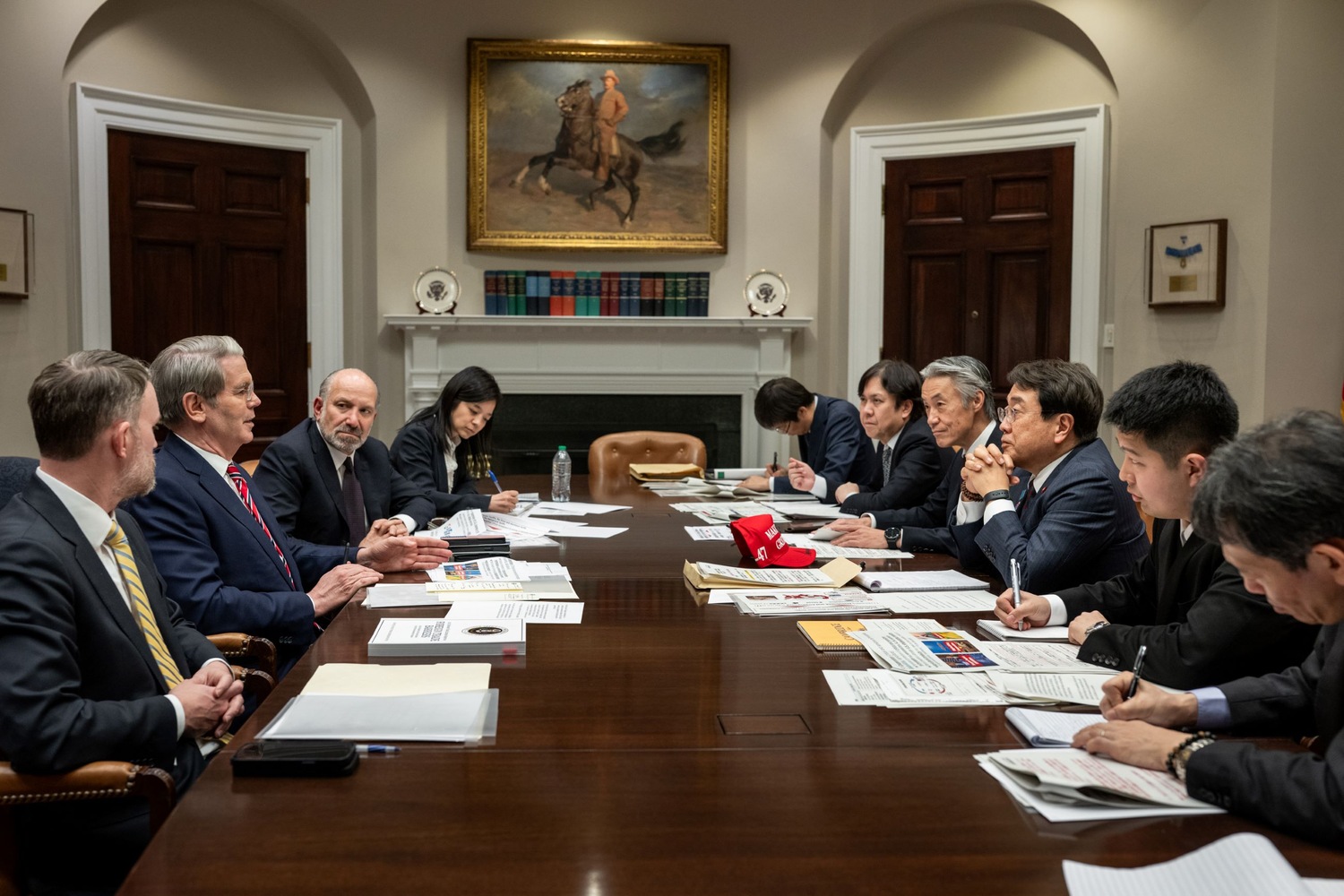
Iraq was asked in weekly talks with U.S. diplomats, including regional envoy Thomas Barrack, to close all but two of its crossings with Iran. Officials said Baghdad has so far refused that demand, though it temporarily shut one or two posts as a gesture.
Pakistan, whose official trade with Iran is about $3 billion a year, has opened and closed some crossings in recent weeks, analysts told the Times. Pakistani officials have cited security issues or new electronic import processes, while Iranian officials have linked the moves to U.S. sanctions.
Why the Borders Stay Open
A U.S. official familiar with the talks told the Times that many neighboring governments fear “civil insurrection” if they cut off trade and smuggling routes vital to both sides of the frontier. The official said the campaign is also stoking resentment among regional allies already angry about the February war.
Iraq’s concerns are especially acute along a 994-mile border it cannot fully control. Ellie Geranmayeh of the European Council on Foreign Relations told the Times that Pakistan depends heavily on Iranian fuel imports, while Iraq relies on Iran for more than a third of the gas that powers its grid.
Iron Gate After the Setback
On Saturday, after the diplomatic track stalled, the U.S. military announced Task Force Iron Gate. U.S. Central Command said the unit will work on “preventing the movement of advanced weapons systems, dual-use technologies, sanctioned materials, and illegal revenue streams across Iran’s land borders and the Caspian Sea.”
The task force will have 20 civilian and military personnel based in Florida, Centcom said. A U.S. military official told the Times it would not conduct military operations and may instead push neighboring states to use their own forces against illicit or sanctioned trade.
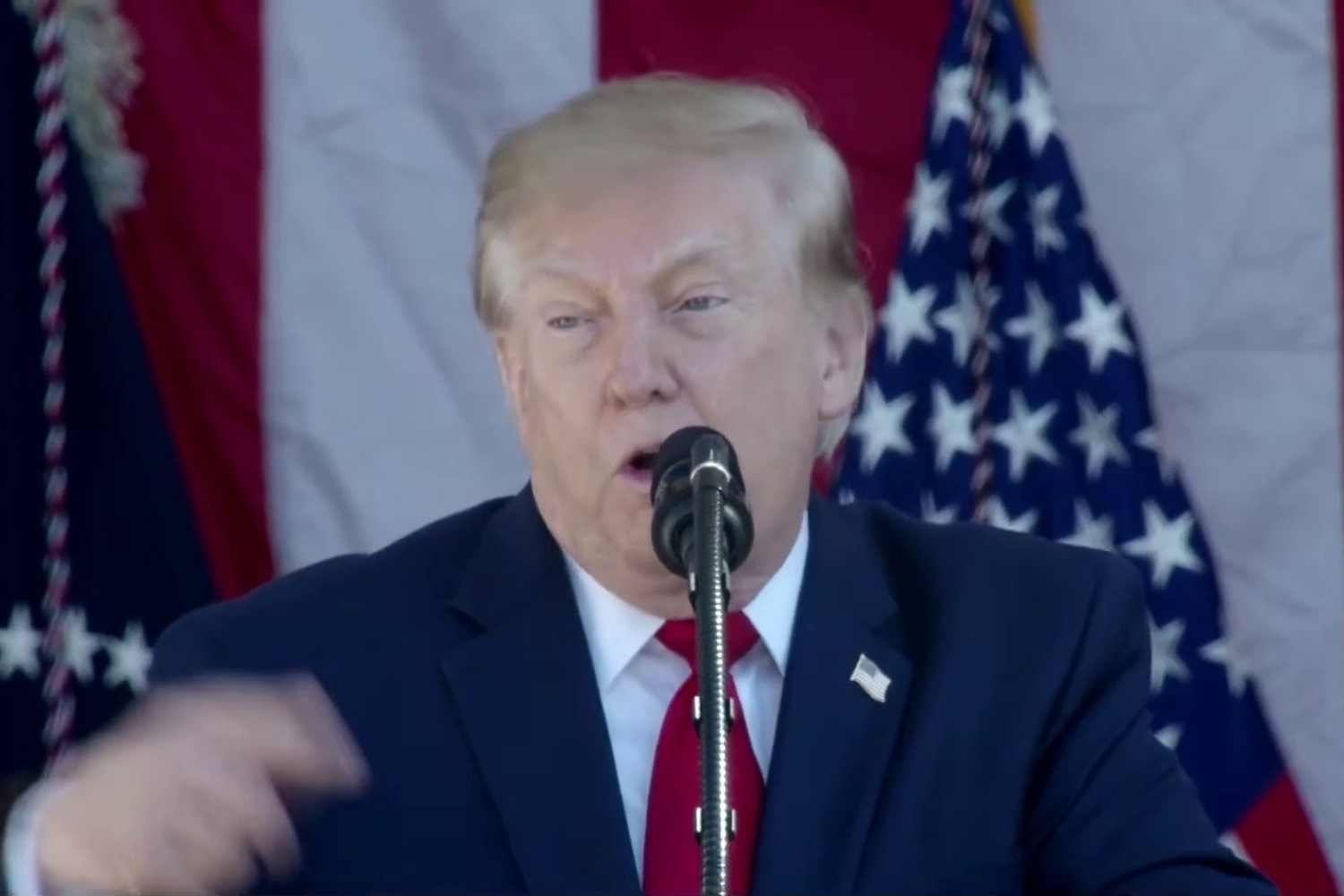
Secretary of State Marco Rubio said on Tuesday that “the economic pain that is being inflicted on Iran right now is extraordinary,” and that Washington does not need military strikes “if we’re achieving the same objective through economic means.” Momentum for renewed strikes after last week’s midterms has faded, the Times reported.
Kamer Kurunç
Kamer Kurunç is the Team Leader of Clash Report and has led the outlet for four years. He oversees its breaking world news coverage, from the Middle East and the Russia-Ukraine war to defense and global politics. His focus is fast, verified, source-based reporting. Follow him on X at @kamerknc.
Choose Clash Report as a preferred source and see our reporting first in Top Stories.