Trump Signals Iran Deal
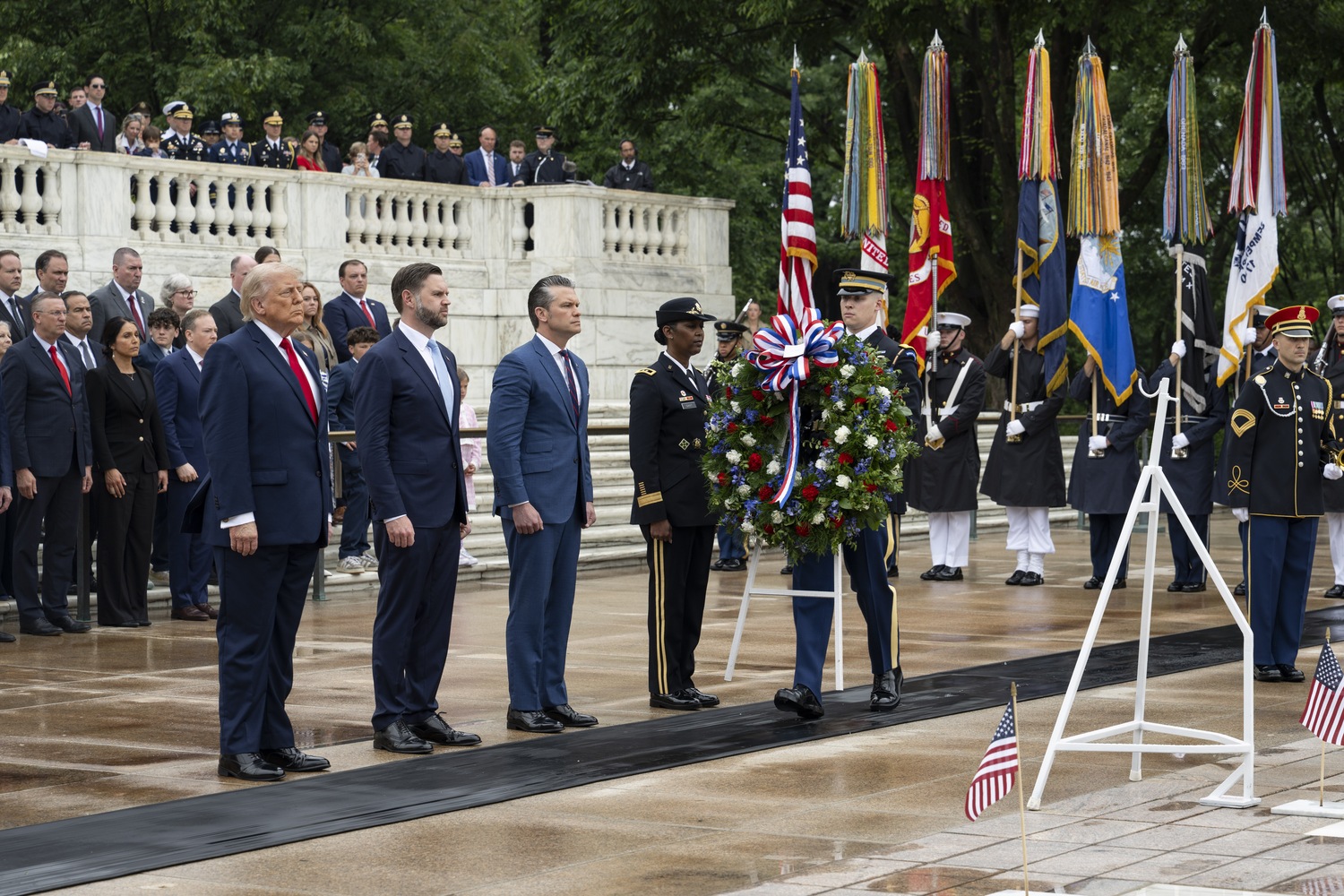
U.S. President Donald Trump said Washington has been in direct and indirect contact with Iran and described its current leadership as “very reasonable,” as Pakistan prepares to facilitate potential peace talks amid escalating regional tensions.
Choose Clash Report as a preferred source and see our reporting first in Top Stories.
The U.S. President Donald Trump said the U.S. is in contact with Iran and described its leadership as “very reasonable,” as Pakistan prepares to host potential talks aimed at ending the ongoing conflict.
The U.S. President Donald Trump said on Sunday that the United States has been engaging with Iran through both direct and indirect channels, adding that Iran’s current leadership appears “very reasonable.” His remarks came as diplomatic efforts intensify to contain a month-long conflict in the Middle East.
Speaking aboard Air Force One, Trump said he believes a deal with Tehran is still possible, while acknowledging that no agreement is guaranteed.
"I think we'll make a deal with them, I'm pretty sure, but it's possible we won't," Trump told reporters on Sunday evening, according to Reuters.
Trump on Iran's New Leadership
Trump said he thought the United States had already accomplished regime change in Tehran after strikes killed the country's supreme leader and other top officials, but said twice that their replacements seemed "reasonable." An initial Israeli strike on February 28 killed Supreme Leader Ayatollah Ali Khamenei, who was replaced by his son Mojtaba, Reuters reports.
The war has spread across the Middle East, killing thousands, causing the biggest disruption ever to energy supplies and hitting the global economy, according to Reuters.
Pakistan Offers to Host Talks
Pakistan has announced it is preparing to host “meaningful talks” in the coming days aimed at ending the war between Washington and Tehran. Officials in Islamabad said regional foreign ministers had discussed potential pathways toward de-escalation and a comprehensive settlement.
Pakistani Foreign Minister Ishaq Dar said regional foreign ministers who met on Sunday discussed ways to bring an early end to the war, including potential U.S.-Iran talks in Islamabad. "Pakistan will be honoured to host and facilitate meaningful talks between the two sides in coming days, for a comprehensive and lasting settlement of the ongoing conflict," he said. Clash Report earlier reported that a U.S.-Iran talks proposal was delivered via Pakistan, with Turkiye considered as a possible host.
However, it remains unclear whether both the United States and Iran have formally agreed to participate in the proposed negotiations.
Iranian officials have maintained a firm stance against what they describe as pressure tactics. Tehran has warned it will not accept “humiliation” and has accused Washington of sending mixed signals while simultaneously preparing military options.
Iranian Parliament Speaker Mohammad Baqer Qalibaf accused Washington of sending messages about possible negotiations while planning a ground invasion. "As long as the Americans seek Iran's surrender, our response is that we will never accept humiliation," he said in a message to the nation.
Iran’s parliamentary leadership reiterated that the country would respond if U.S. forces were deployed on the ground.
Military Buildup and Economic Fallout
The developments come as additional U.S. troops continue to arrive in the Middle East, including special operations forces and Marine units, according to reports. The deployments are said to give the White House expanded military options, although no ground offensive has been authorized.
The U.S. Department of Defense has dispatched thousands of troops to the Middle East, including Marines who arrived on Friday aboard an amphibious assault ship, with several hundred special operations personnel also in the region, Reuters reports, citing the New York Times. Reuters has reported that the Pentagon has considered military options that could include ground forces, although Trump has not approved any of them.
Israeli strikes on Iranian targets have also continued, further intensifying regional instability and raising concerns of wider escalation.
Israel's military said it launched more than 140 air strikes on central and western Iran, including Tehran, in the 24 hours to Sunday evening, hitting ballistic missile launch sites and storage facilities.
Iran's effective blockade of the Strait of Hormuz, which carries 20 percent of global oil and gas shipments, has pushed oil prices sharply higher. Brent crude futures traded around $115 a barrel, heading for a record monthly rise. In a separate interview, Trump said he wants to take the oil in Iran and may seize Kharg Island, a prospect Clash Report has covered in Trump's threats to Iran's Kharg Island oil hub.
The Iran-aligned Houthis in Yemen joined the conflict on Saturday with their first attacks on Israel. A majority of Americans oppose the war, and a military escalation would likely weigh further on Trump's already low approval ratings ahead of November's midterm elections, according to Reuters.
Choose Clash Report as a preferred source and see our reporting first in Top Stories.