W88 Warhead Explained: The 455-Kiloton Nuke on Trident Missiles and Its Upgrade
The W88 warhead is the most powerful nuclear weapon on U.S. Trident submarine missiles, with a 455-kiloton yield. Here is how it compares with the W76, its Alt 370 upgrade and the W93 that follows.
Choose Clash Report as a preferred source and see our reporting first in Top Stories.
- The W88 is the most powerful warhead on U.S. submarine missiles, with an estimated yield of 455 kilotons, about 30 times the Hiroshima bomb.
- It entered the stockpile in 1988 and rides on Trident II D5 missiles aboard the Navy’s 14 Ohio-class submarines.
- A decade-long upgrade, the W88 Alt 370, delivered its last refurbished warhead in December 2025.
The sea-based leg of the U.S. nuclear triad is the hardest to find and destroy. At its heart are submarine-launched Trident missiles carrying two main warhead types.
The W88 is the heavier hitter. This guide explains what the W88 warhead is, how it compares with the W76, how it was modernized and what will follow it.
What Is the W88 Warhead?
The W88 is a thermonuclear warhead carried inside the Mk5 reentry body. Los Alamos and Sandia national laboratories are its design and engineering labs.
- Entered stockpile: 1988
- Estimated yield: 455 kilotons
- Missile: Trident II D5 submarine-launched ballistic missile
- Warheads per missile: up to eight, with multiple independently targetable reentry vehicles (MIRV)
- Estimated number: about 384 in the stockpile, according to the Federation of American Scientists
- Platform: Ohio-class ballistic missile submarines
For the basic physics of fission and fusion weapons, see our explainer on how nuclear bombs work.
W88 vs W76: The Two Trident Warheads
| Warhead | Estimated yield | Role |
|---|---|---|
| W76-2 | About 8 kilotons | Low-yield option; no more than 25 thought to have been made |
| W76-1 | 90 kilotons | The most numerous submarine warhead |
| W88 | 455 kilotons | High-yield warhead for harder targets |
Each submarine is thought to carry a mix of the three types, FAS says. That gives commanders options from a small strike to a very large one.
About 950 warheads are normally deployed on U.S. ballistic missile submarines. That is roughly 70 percent of the warheads on deployed U.S. strategic launchers, according to FAS.
The W88 Alt 370 Upgrade
Routine checks found aging problems in the W88. In late 2009, the National Nuclear Security Administration (NNSA) and the Pentagon started a program to fix them.
- Replaced the arming, fuzing and firing assembly, the parts that decide when and how the warhead detonates
- Added a lightning arrestor connector
- Refreshed the conventional high explosives inside the weapon
- Replaced limited-life components
The first production unit was completed at the Pantex Plant in Texas on July 1, 2021, a month ahead of schedule after more than 11 years of work. Full production began in 2022.
NNSA said on Dec. 16, 2025, that it had completed the last production unit. The program now moves to sustainment, with Pantex still producing units to support future surveillance tests.
What Comes After the W88: The W93
The Navy and NNSA are developing a new submarine warhead, the W93, housed in a new Mk7 reentry body. It is meant to supplement, not immediately replace, the W76-1 and W88.
NNSA expects the first W93 production unit in the early to mid-2030s. In 2024 the agency projected the program would cost $27.6 billion over 25 years, according to FAS.
The W93 also matters to Britain. Royal Navy submarines draw their Trident missiles from the same pool as U.S. boats, and Britain’s new warhead is being developed alongside the W93.
How Many Nuclear Warheads Does Russia Have?
Russia has the world’s largest arsenal. It held an estimated 5,420 warheads in January 2026, according to SIPRI, with about 4,400 in its military stockpile.
About 1,796 Russian warheads are deployed. Our guide to who has nuclear weapons compares every nuclear power.
Why It Matters
Submarines at sea are the part of the U.S. arsenal most likely to survive a first strike. That makes the W88 central to deterrence.
With New START expired since February 2026, there is no treaty cap on U.S. and Russian strategic warheads. Upgrades like the W88 Alt 370 and the W93 now unfold with fewer limits.
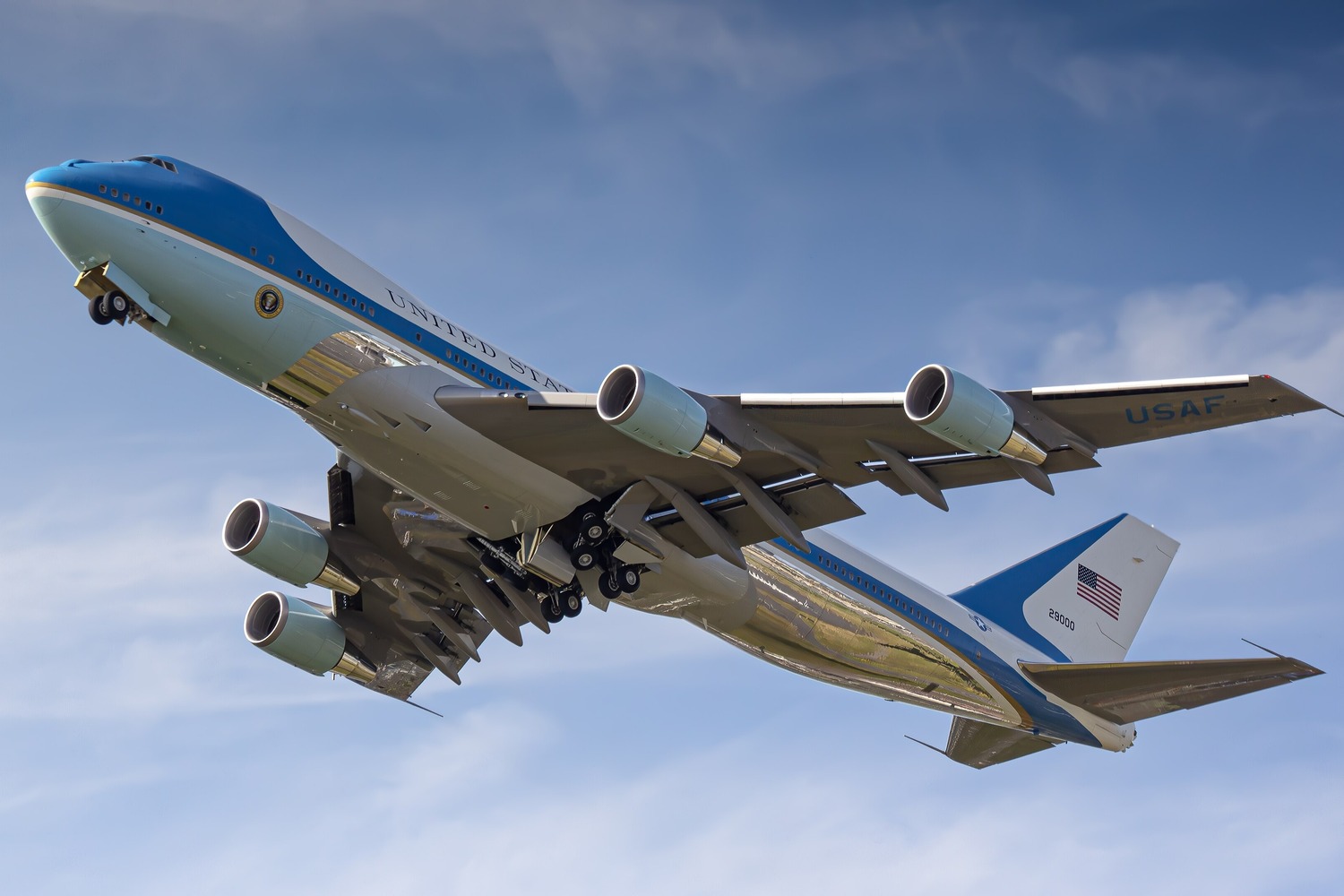
The E-4B “doomsday plane” is part of the same command system.
Frequently Asked Questions
What is the yield of the W88? About 455 kilotons, according to FAS estimates.
What missile carries the W88? The Trident II D5, launched from Ohio-class submarines.
Who designed the W88? Los Alamos and Sandia national laboratories are its design and engineering labs.
Is the W88 being replaced? The new W93 will first supplement it, with production expected in the 2030s.
Kamer Kurunç
Kamer Kurunç is the Editor-in-Chief of Clash Report and has led the outlet for four years. Kamer sets the site's editorial direction and writes and edits coverage across the World and Defense sections, with a focus on the Russia-Ukraine war, NATO, Israel and Iran, Türkiye, North Korea and nuclear weapons. Kamer has written more than 1,100 articles for Clash Report.
Choose Clash Report as a preferred source and see our reporting first in Top Stories.