US and Russia Set to Block Binding Rules on Autonomous Weapons
The United States and Russia look set to oppose a push at a UN-hosted meeting in Geneva this week to launch negotiations on legally binding rules for lethal autonomous weapons, Reuters reports.
Choose Clash Report as a preferred source and see our reporting first in Top Stories.
The Seventh Review Conference of the Convention on Certain Conventional Weapons opened Monday at the Palais des Nations in Geneva and runs through Nov. 20, under Swiss Ambassador Julien Thöni.
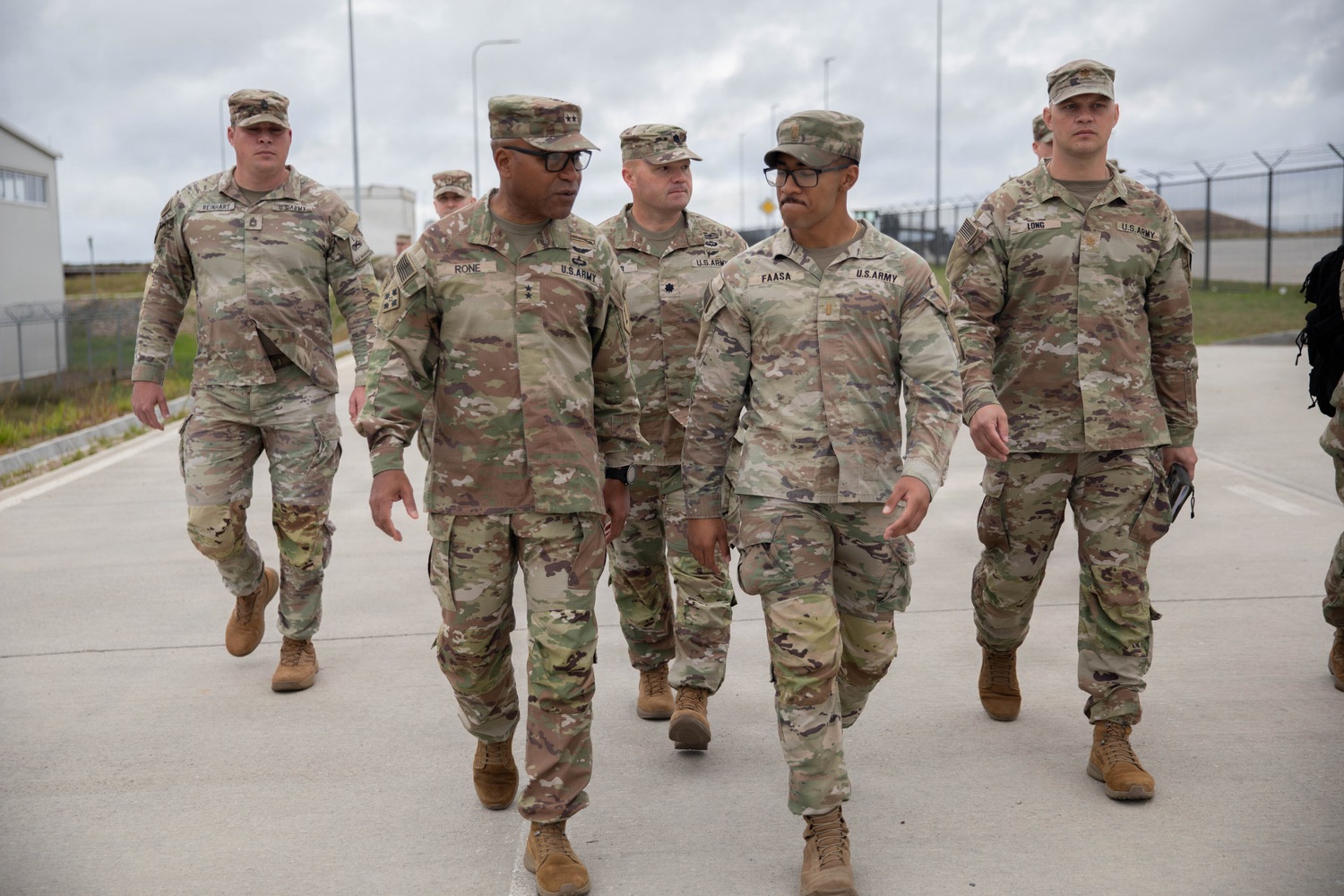
Most of the 128 states parties support opening negotiations on prohibitions and regulations for lethal autonomous weapons systems. The United States, Russia and Israel oppose a legally binding path, arguing that existing humanitarian law is sufficient.
Conference Splits Over Binding Rules
As talks opened, UN Secretary-General António Guterres urged states in a video message to negotiate a legally binding instrument.
“The nature of warfare is changing. New technologies — including autonomous weapon systems — present new humanitarian, legal, ethical and security challenges,” Guterres said.
The United States favors guidelines rather than binding rules and has proposed a five-year mandate for talks toward a non-binding agreement. The conference chair has proposed a two-year mandate to negotiate a legally binding protocol.
The United Kingdom, Germany and France propose talks on an instrument that leaves open whether it would be legally binding, Human Rights Watch’s Verity Coyle told Reuters.
Russia has not publicly stated its position for the talks, but has previously resisted a legally binding agreement. A senior Western diplomat told Reuters Moscow plans to block the European Union, an observer, from taking the floor.
Campaigners Warn of Unpredictable Systems
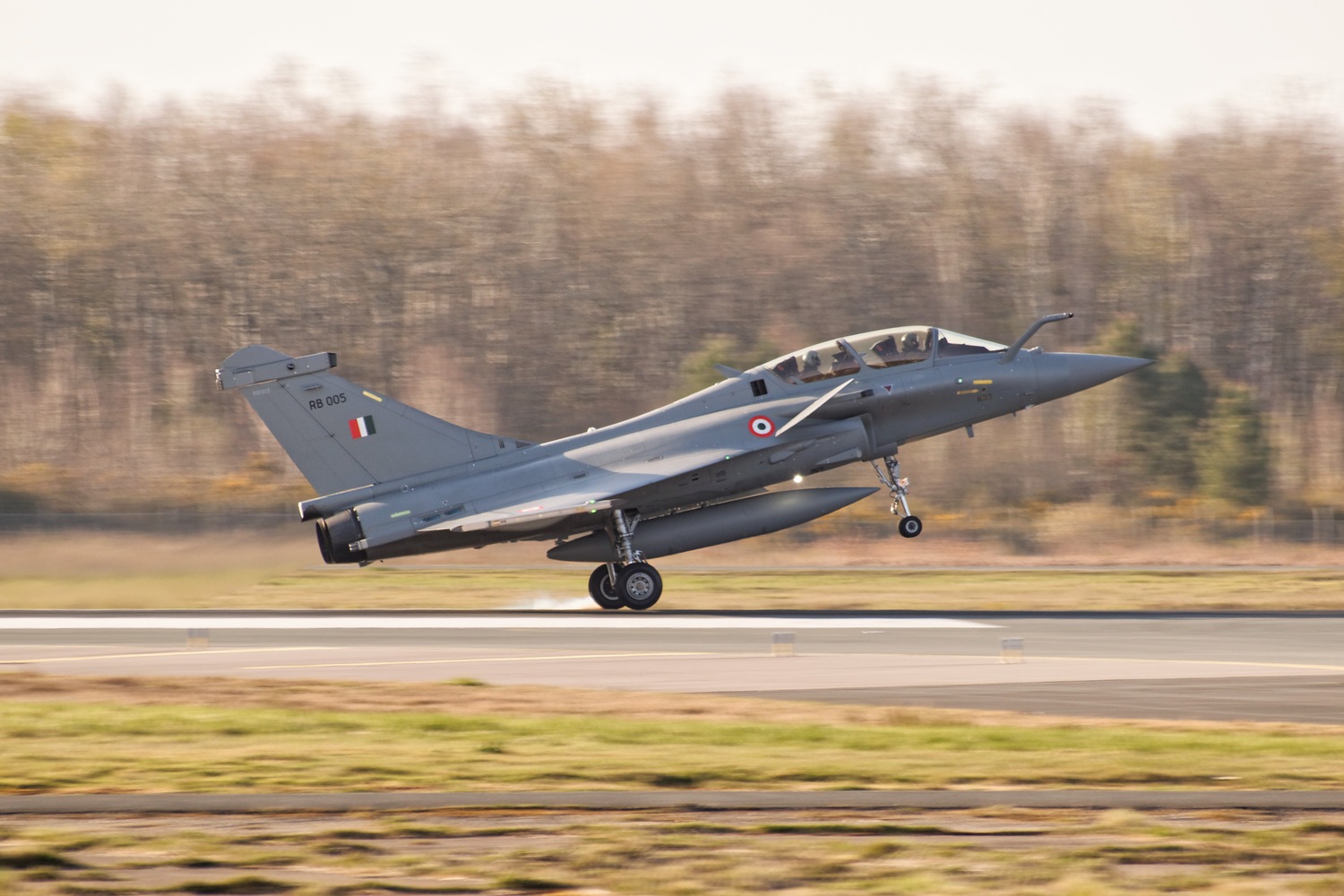
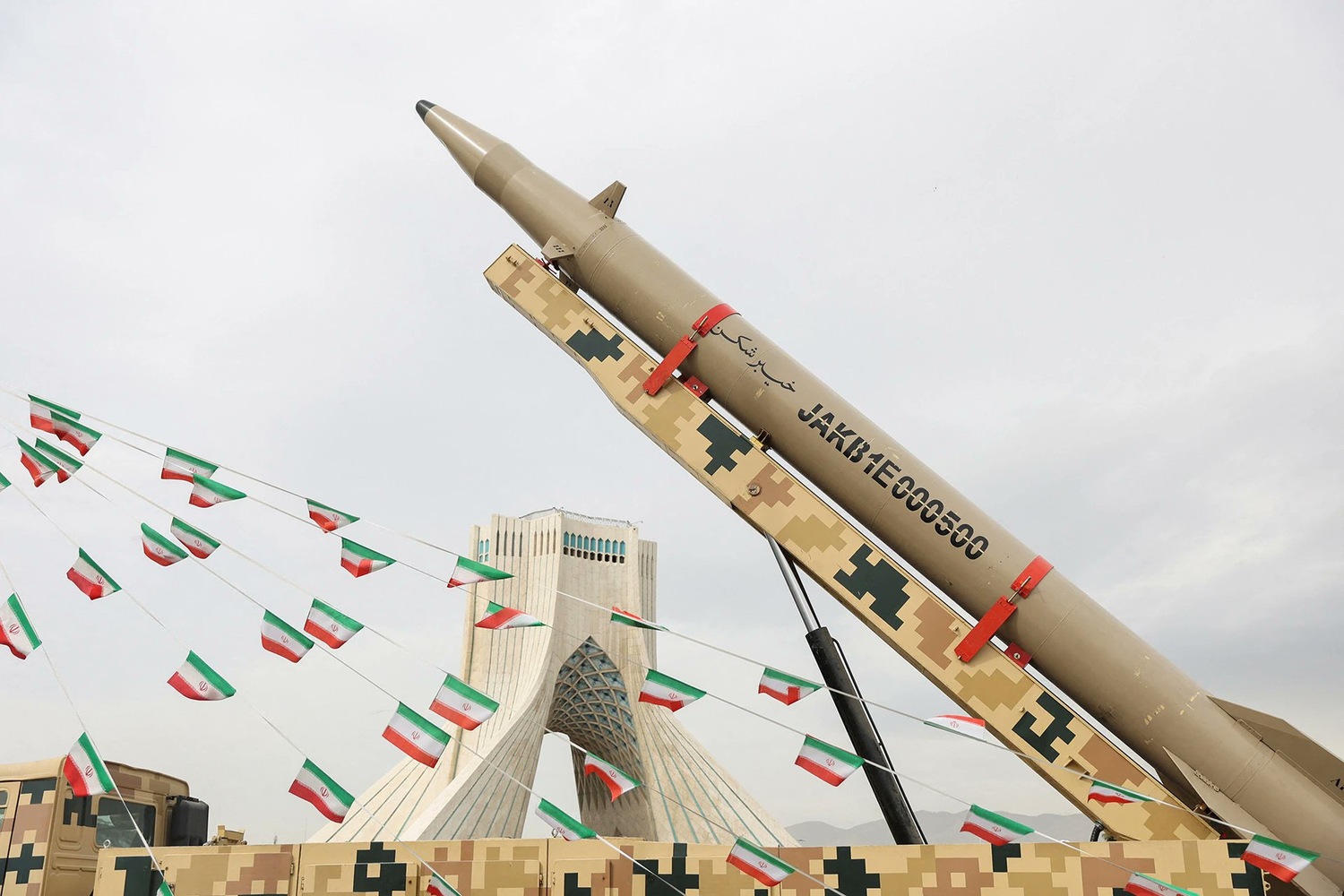
Semi-autonomous, AI-assisted weapons have been used in Ukraine, Sudan and the Middle East. Anna Hehir of the Future of Life Institute said lethal autonomous weapons were no longer science fiction, citing media reports of early use in Ukraine.
Campaigners say such systems can behave unpredictably, raising the risk of fatal errors. “Machines should never be allowed to decide who lives and dies on a battlefield but that is the dystopian reality that is fast approaching,” Coyle said.
The Red Cross says humanitarian law does not sufficiently address specific risks from autonomous weapons. The Pentagon has pressed ahead with more autonomous defenses, and China is accelerating work on military robotics.
Compromise Options Remain on the Table
Last month, the UN General Assembly’s First Committee approved a resolution on lethal autonomous weapons by 163 votes to 5, with the United States, Russia, Belarus, Israel and North Korea voting against. China and Türkiye were among nine countries that abstained.
A Group of Governmental Experts adopted a final report on Sept. 4 with elements of an instrument, without prejudging whether it would be binding. Hehir told Reuters the United States and Russia would probably seek to water down any outcome, as they did in September.
Two diplomats told Reuters a compromise is still possible by the end of the week, including a legally binding instrument, a non-binding deal, or a hybrid agreement with both elements.
Kamer Kurunç
Kamer Kurunç is the Team Leader of Clash Report and has led the outlet for four years. He oversees its breaking world news coverage, from the Middle East and the Russia-Ukraine war to defense and global politics. His focus is fast, verified, source-based reporting. Follow him on X at @kamerknc.
Choose Clash Report as a preferred source and see our reporting first in Top Stories.