Iran Still Produces 50 Ballistic Missiles a Month, Western Estimate Says
A Western intelligence estimate cited by Bloomberg says Iran can still produce about 50 ballistic missiles a month, roughly half its prewar rate, and likely has at least 1,700 ballistic missiles in its arsenal.
Choose Clash Report as a preferred source and see our reporting first in Top Stories.
The figure, reported on Tuesday, is about half the output Tehran is estimated to have managed before the war, and would still give Iran a serious means of retaliation if fighting resumes after months of U.S. and Israeli air strikes.
US Officials Cite Heavy Damage
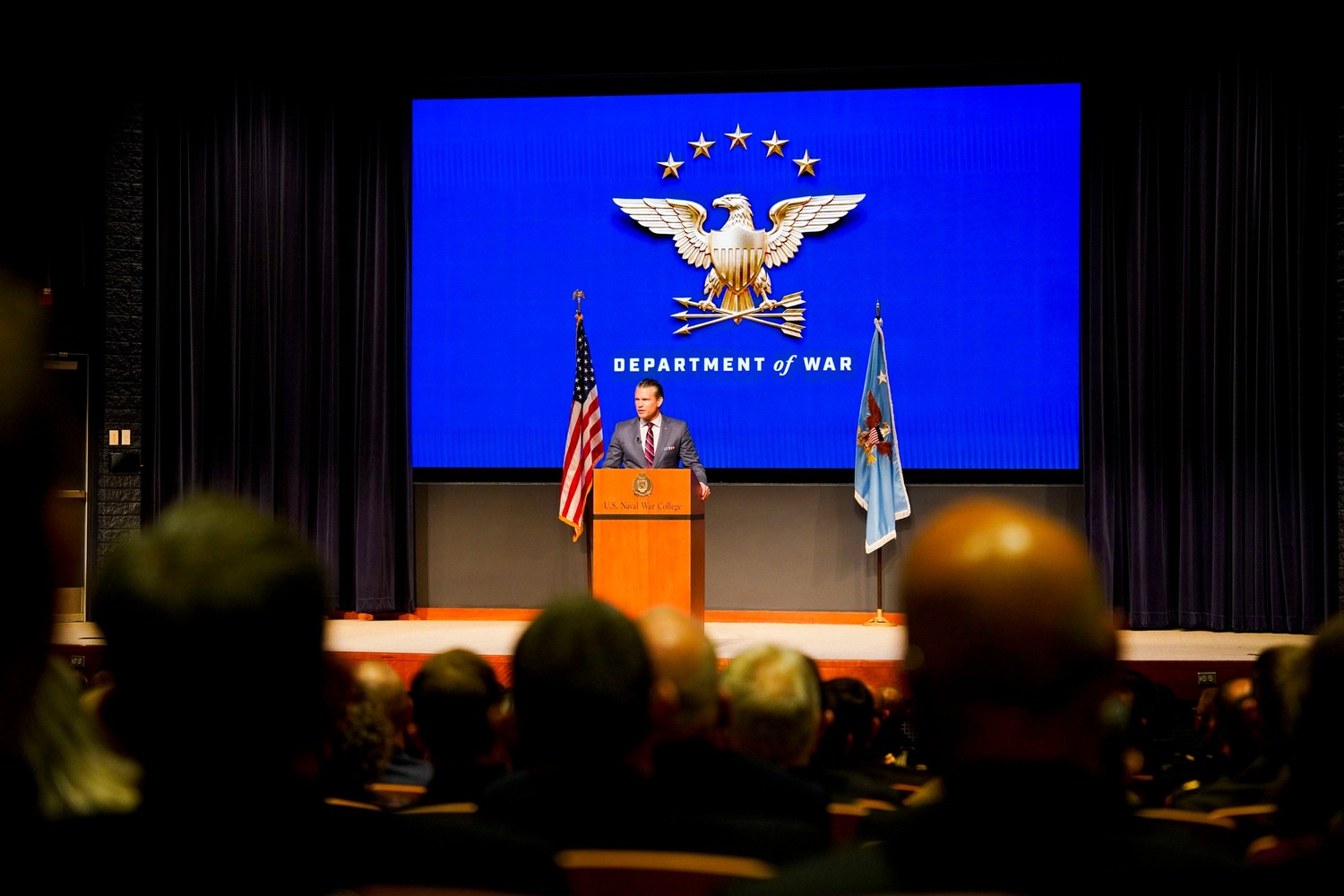
U.S. officials have said since the conflict began that Iran’s arsenal and production capacity were heavily damaged. Defense Secretary Pete Hegseth repeated that view on Tuesday, saying 80 percent of the country’s industrial base had been destroyed.
Despite those remarks, military intelligence reports cited by a Western official show Iran still has at least 1,700 ballistic missiles and continues limited production, Bloomberg reports.
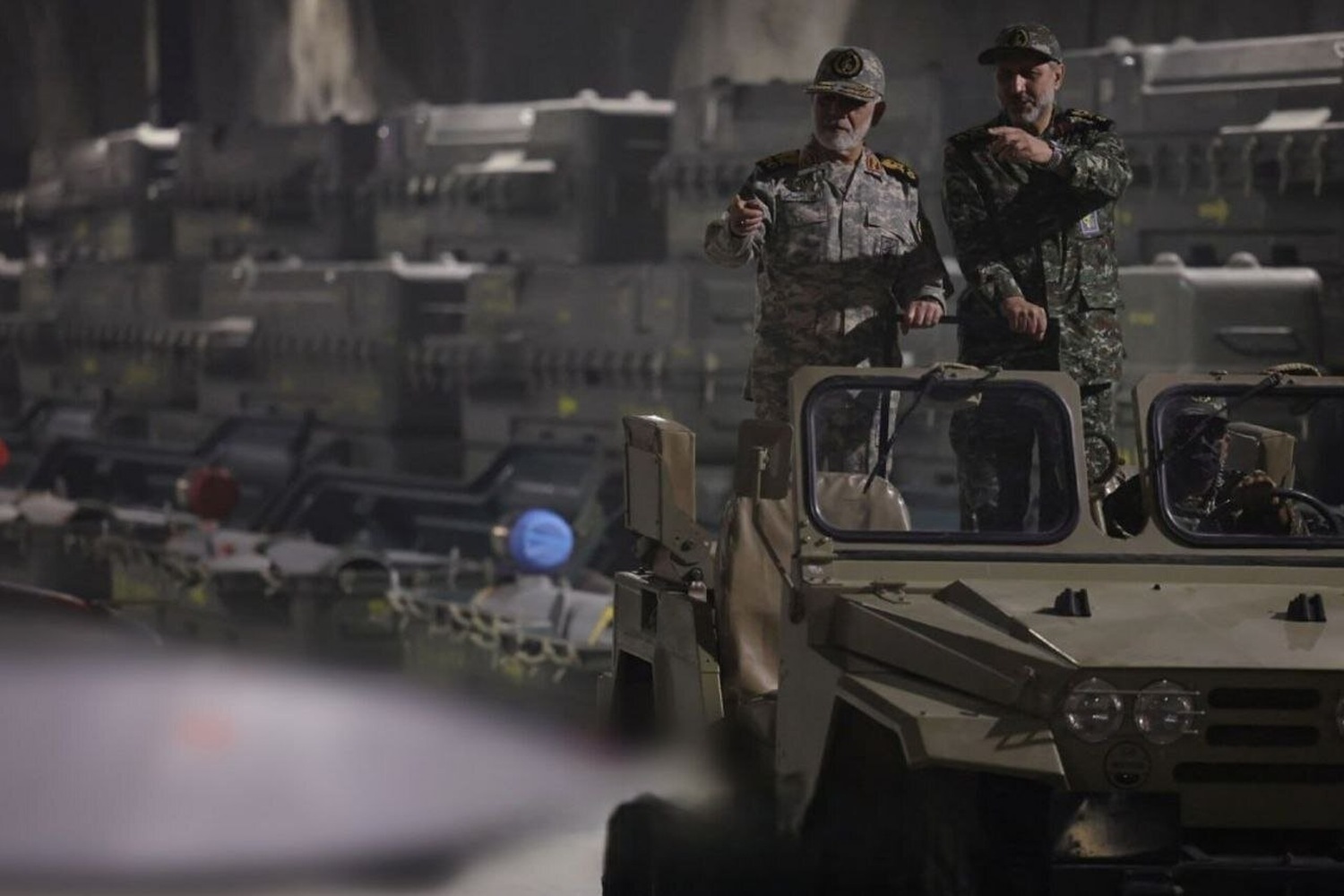
IRGC Unveils New Missile City
The Islamic Revolutionary Guard Corps on Tuesday released videos of a new underground “missile city,” circulated via the semi-official Fars news agency. Clash Report earlier covered the IRGC tour of the underground site. Gen. Ali Abdollahi, chief of the general staff, told personnel that surprises in a future war would be “revealed one after another,” according to the Bloomberg report.
Jim Lamson, a former CIA analyst and visiting researcher at King’s College London, estimates that thousands of Shahed-type attack weapons are probably still available. Exact numbers for both ballistic missiles and Shaheds remain uncertain, he said, because prewar stocks were never publicly confirmed and the scale of repairs is unclear.
Prewar Estimates and Wartime Launches
Israel estimated that Iran had about 2,500 ballistic missiles before fighting began on Feb. 28. Lt. Gen. James Adams, director of the U.S. Defense Intelligence Agency, told Congress in April that thousands of missiles and one-way attack drones remained.
Since the conflict began, Iran has fired more than 4,900 propeller-driven Shahed cruise missiles and at least 2,200 ballistic missiles, according to Bloomberg Economics. Those launch totals are a wartime tally, not an Israeli accounting of the 2,500-missile prewar estimate, and they do not by themselves explain the current stockpile figure of at least 1,700.
Hegseth spoke to reporters on Tuesday while defending himself against impeachment accusations tied to the Iran campaign and operations in the Caribbean. He pointed to the destruction of more than 80 percent of Iran’s nuclear industrial base as evidence of success. The United States still holds large reserves of precision munitions, but analysts say heavy use of interceptors has depleted stocks needed elsewhere.
Becca Wasser, defense lead at Bloomberg Economics, said it was never a direct fight between Iranian and American missile stockpiles. The United States outguns Iran, she said, but Iran’s strategy requires only enough capacity to disrupt, impose costs and endure.
Component Stocks Keep Assembly Going
A reserve of missile components has allowed Iran to keep assembling weapons after air strikes crippled large-scale production, Lamson said, consistent with earlier reporting that Tehran prioritized missile repairs over nuclear sites after previous strikes.
Western officials have also reported that Russia is supplying attack weapons to Iran, though the type and quantity remain unknown. Ankit Panda, a senior fellow at the Carnegie Endowment, said public estimates of current stocks vary widely and that Iran has probably reconstituted a significant number of drones and missiles. A Clash Report review earlier found that Iran’s missile arsenal had already proved resilient despite months of U.S. and Israeli bombardment.
President Donald Trump said this week that additional attacks do not appear necessary for now. The maritime blockade of Iran remains in force, Bloomberg reported, keeping economic pressure on Tehran as it continues to attack commercial shipping in the region.
Kamer Kurunç
Kamer Kurunç is the Team Leader of Clash Report and has led the outlet for four years. He oversees its breaking world news coverage, from the Middle East and the Russia-Ukraine war to defense and global politics. His focus is fast, verified, source-based reporting. Follow him on X at @kamerknc.
Choose Clash Report as a preferred source and see our reporting first in Top Stories.