US and Israel Seek Deal to Halve Direct Military Aid After 2028
The United States and Israel are negotiating a new memorandum that would cut Foreign Military Financing from $33 billion over 10 years to about $16.5 billion over five years after 2028, ynet reports.
Choose Clash Report as a preferred source and see our reporting first in Top Stories.
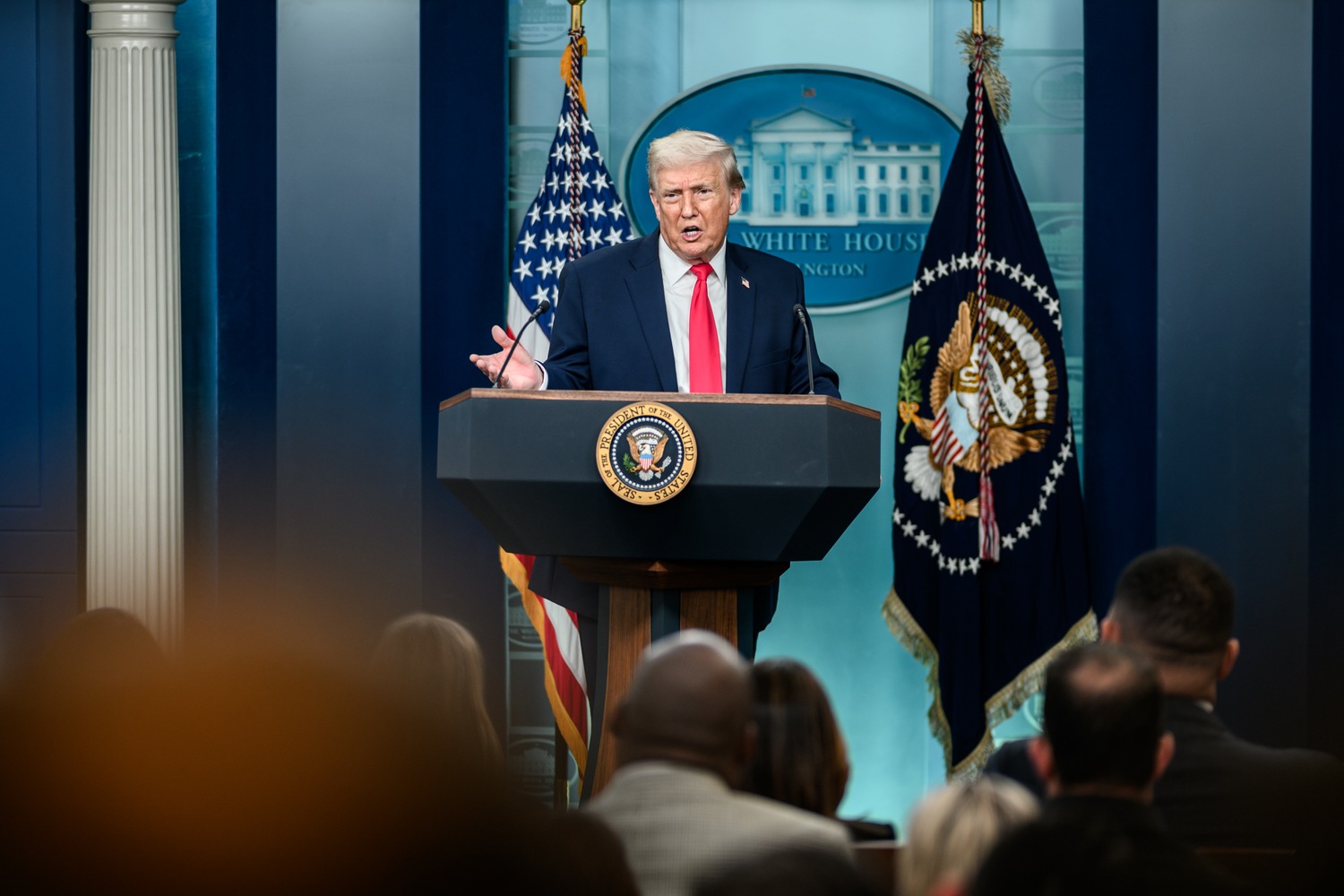
President Donald Trump said this month that he and Prime Minister Benjamin Netanyahu had agreed to end U.S. military aid to Israel by the close of 2026. A week later, ynet and Yedioth Ahronoth reported new details of an emerging security memorandum that do not point to an immediate cutoff.
The current agreement would remain in force through 2028, the report said. A shorter follow-on arrangement would then begin.
Financing Would Last Five Years, Then End
Under the existing model, Israel receives $3.3 billion a year in Foreign Military Financing for 10 years, or $33 billion in total. The emerging agreement would keep a similar annual level for only five years, amounting to roughly $16.5 billion, before that direct assistance ends in 2033, ynet reported.
Those figures cover Foreign Military Financing only. The current 10-year memorandum, which runs through fiscal 2028, totals $38 billion: $33 billion in financing plus $5 billion for missile defense, or $3.8 billion a year.
Trump said on Nov. 3 that Washington would stop paying Israel by year-end. In a Fox News interview on Election Day, he said: “We were giving them $4 billion. We are, but it gets cut off at the end of the year.” He also said Netanyahu had raised the idea, arguing that Israel had become a successful country that no longer needed the aid.
Israeli negotiating teams were stunned by the announcement and did not understand what he meant, ynet reported. A senior Israeli official assessed that Trump made the statement largely for domestic political reasons, in an effort to help Republican Senate candidate Mike Rogers in Michigan against Democrat Abdul El-Sayed, a sharp critic of Israel. El-Sayed defeated Rogers and became the first Muslim elected to the U.S. Senate.
Israeli President Isaac Herzog later said the aid announcement came as a complete shock.
Missile Defense Funding Would Rise
Foreign Military Financing is used to buy U.S.-made weapons, fighter jets, helicopters and munitions. Israel was previously permitted to convert part of the funding into shekels for purchases from Israeli defense firms, though that provision has been gradually phased out.
The remaining $500 million a year under the current memorandum funds joint work on active defense systems, including Iron Dome, David’s Sling and Arrow. Under the emerging agreement, that amount is expected to increase as the threat from drones and missiles grows, ynet reported, though the new figure has not been set.
A senior Israeli official familiar with the negotiations said some members of Congress oppose reducing assistance because much of the money is spent in their states and supports American defense manufacturers. After Netanyahu publicly expressed his desire to eventually end U.S. military aid, senators asked Israeli officials whether Israel understood the consequences.
“We are moving here from a model of aid to a model of partnership,” the official said. “It is important to remember that most of the security assistance remains in America and contributes to the American economy. Cutting it would also hurt American industries and require adjustments.”
A Push to Finish the Deal This Year
Negotiations are being conducted by teams from both countries, with representatives working on behalf of Secretary of State Marco Rubio on the American side and officials from Israel’s Defense Ministry and its embassy in Washington on the Israeli side.
The two sides aim to finalize the agreement by the end of 2026, before the new Congress takes office in January. A bilateral memorandum does not itself require Senate ratification, but Congress must appropriate the funding each year.
Israeli officials fear the incoming Congress could delay assistance through 2028 under the existing memorandum and later under the new framework. They also believe the composition of Israel’s next government could matter. New faces in the government could make it significantly easier to secure congressional backing, they said. Democratic officials warn that if Netanyahu remains the face of Israel, securing continued military assistance could become far more difficult.
Netanyahu told the newly sworn 26th Knesset on Tuesday that Israel would face pressure to retreat from security-zone gains and called for a national unity government. Neither government has publicly confirmed the figures reported by ynet.
Kamer Kurunç
Kamer Kurunç is the Team Leader of Clash Report and has led the outlet for four years. He oversees its breaking world news coverage, from the Middle East and the Russia-Ukraine war to defense and global politics. His focus is fast, verified, source-based reporting. Follow him on X at @kamerknc.
Choose Clash Report as a preferred source and see our reporting first in Top Stories.