Pentagon Weighed Cold War-Era Law to Reinstate Jensen Huang at Nvidia
Senior Pentagon officials, including Pete Hegseth, reportedly discussed using the Defense Production Act to pressure Nvidia’s board before Jensen Huang returned as CEO.
Choose Clash Report as a preferred source and see our reporting first in Top Stories.
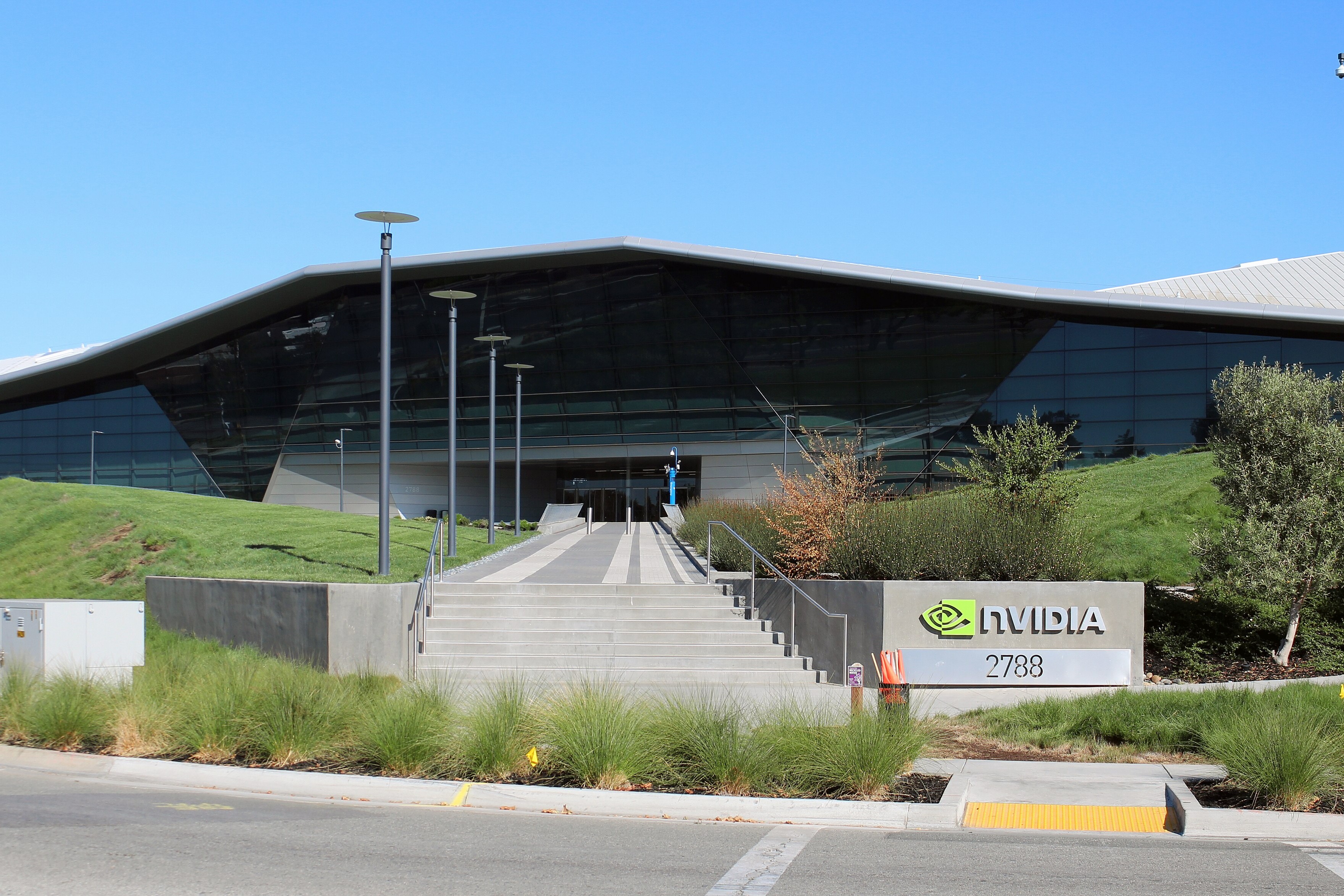
Senior Pentagon officials, including Defense Secretary Pete Hegseth, discussed using a Cold War-era law to pressure Nvidia’s board into reinstating Jensen Huang as chief executive.
Hegseth and Deputy Defense Secretary Steve Feinberg reportedly explored whether the Defense Production Act (DPA), a 1950 law granting presidents broad powers to intervene in the economy, could provide leverage over the chipmaker ahead of Huang’s return on Monday.
The Pentagon denied the report which The Washington Post had produced citing three people familiar with the deliberations.
An unnamed department official told the Post that the conversations had never taken place and that no such proposal had been made by its senior leadership. Nvidia declined to comment.
Limits of Wartime Powers
The DPA has historically been used to mobilize private industry to meet government needs during wars and national emergencies.
The first Trump administration invoked it to have General Motors manufacture ventilators during the Covid-19 pandemic.
The law has never been used to install a private company’s leader and offers no clear mechanism for doing so.
One administration official told the Post that the discussions concerned whether the law could pressure Nvidia by diverting some of its production toward military orders, potentially affecting its commercial output and profits.
Bill Greenwalt, an expert on the law at the American Enterprise Institute, disputed that interpretation, arguing that the act did not support using government contracts as leverage in such a campaign.
It remains unclear whether the proposal was communicated to Nvidia or reached President Donald Trump or Vice President JD Vance.
National Security Concerns
Trump had asked Vance to help broker Huang’s return as the scandal weighed on financial markets.
Both came to regard Nvidia as critical to the U.S. economy and Huang as uniquely positioned to stabilize markets, according to people familiar with the discussions.
Administration officials also stressed Nvidia’s importance to national security, although its board did not interpret their arguments as a threat, the Post reported.
The discussions reportedly included Emil Michael, the Pentagon’s undersecretary for research and engineering, and came as the department pursues closer ties with technology companies.
Hegseth has made artificial intelligence central to the military’s modernization strategy, while the Pentagon has used loans and direct investments to deepen its relationships with companies in AI, quantum computing and critical minerals.
Pete Harrell, an attorney and visiting scholar at Georgetown’s Institute of International Economic Law, questioned whether the DPA could be used to restore Huang, warning that the reported discussions raised concerns about the administration’s approach to intervening in private companies.
Ahmet Koçak
Ahmet Koçak is a news editor at Clash Report and has been with the outlet for six months.
Choose Clash Report as a preferred source and see our reporting first in Top Stories.