EU Commits €50 Million to Black Sea Security After Shipping Attacks
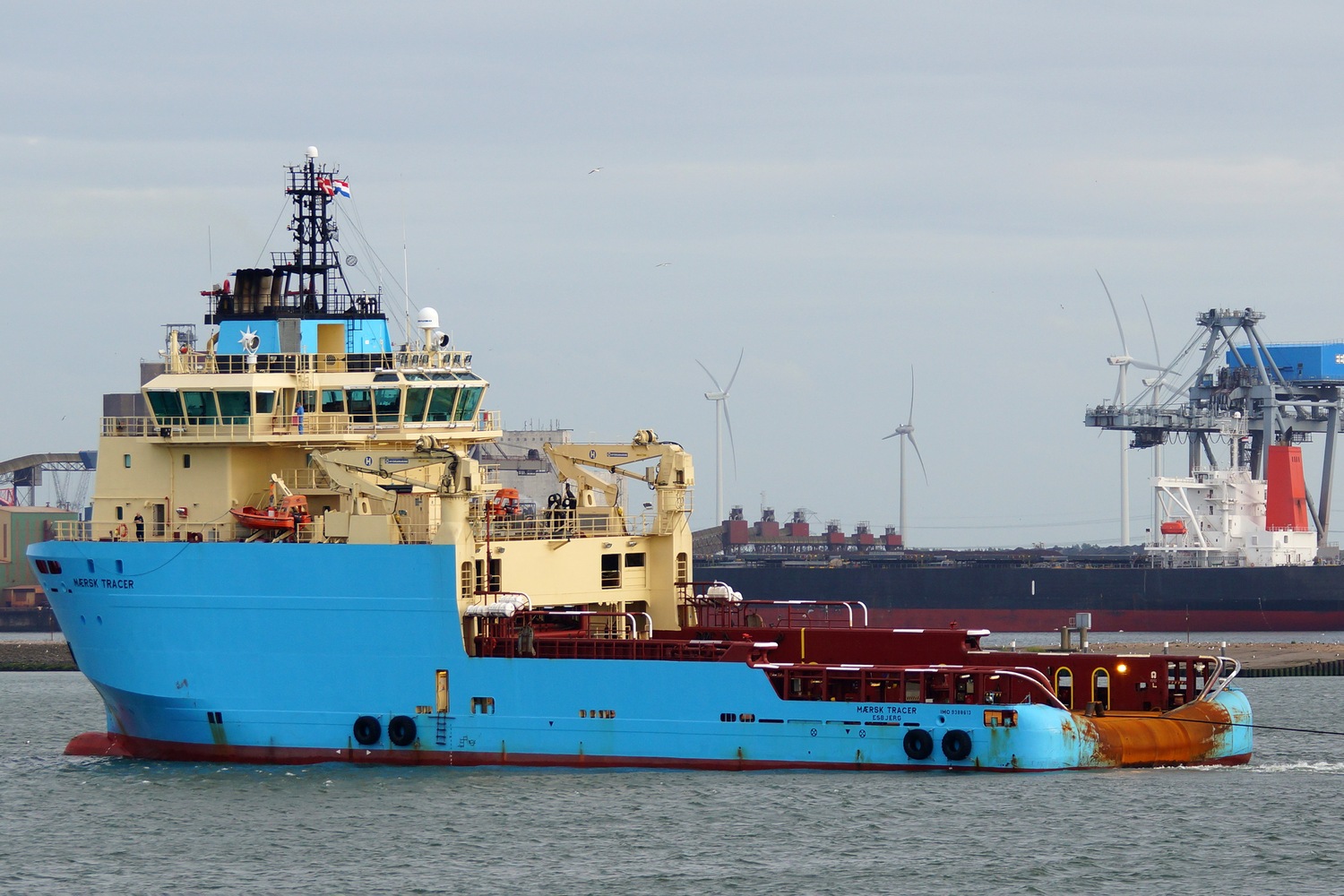
Brussels pledged €50 million for a joint maritime security hub and €10 million each for Romanian and Bulgarian search-and-rescue operations after at least nine ships have been hit since early October.
Choose Clash Report as a preferred source and see our reporting first in Top Stories.
The European Commission pledged funding to strengthen maritime surveillance and rescue operations in the Black Sea after a series of attacks on commercial ships left four vessels sunk and 34 sailors dead or missing.
Commission President Ursula von der Leyen said Monday in Romania that the EU would speed up work on the Black Sea Maritime Security Hub and earmark €50 million for it.
She announced another €10 million for Romanian search-and-rescue operations and pledged the same amount for Bulgaria on Tuesday in Varna.
“Threats, attacks and incursions are rising off the coasts of the Black Sea,” von der Leyen said in Romania.
Romania and Bulgaria will jointly run the hub, which is expected to be fully operational by year-end.
The center is intended to give both countries a real-time view of activity at sea and in the air, help detect threats and protect infrastructure such as undersea power and communications cables.
At least nine ships have been struck in the Romanian and Bulgarian exclusive economic zones since early October.
Several were carrying Ukrainian grain. Both governments have pressed the EU for more security support.
Romania has blamed Russia for the attacks, while Bulgaria has stopped short of assigning blame to Moscow.
Talks on Safe Passage
The U.S. is leading talks on a Black Sea ceasefire and safe passage for ships.
Secretary of State Marco Rubio said Washington was reviewing proposals submitted by Türkiye in late October and was open to ideas from India.
He said a deal could ease the impact of the war on food security in vulnerable countries.
EU foreign policy chief Kaja Kallas said on Oct. 21 that the bloc was working with Türkiye, India and food-importing countries on a freedom-of-navigation agreement.
She said Ukraine had agreed to such an arrangement and Russia had rejected it.
Ukraine’s agriculture minister, Taras Vysotskyi, said Kyiv was preparing for a prolonged loss of access to deep-water Black Sea ports.
The ports around Odesa are a major outlet for Ukrainian grain, steel and iron ore.
Russia also ships most of its grain exports through the Black Sea, and a terminal near Novorossiysk handles about 80% of Kazakhstan’s crude exports.
Ahmet Koçak
Ahmet Koçak is a news editor at Clash Report based in Istanbul. He previously served as Deputy Managing Editor at Türkiye Today, helping launch the digital news platform in 2023, and spent three years as Senior Editor at Daily Sabah. His work focuses on breaking news, geopolitics, international affairs, and digital journalism.
Choose Clash Report as a preferred source and see our reporting first in Top Stories.