Update: Eisenkot Seeks ‘Emergency Government’ as New Knesset Takes Office
Gadi Eisenkot says he wants an emergency government formed “as soon as possible” after receiving Israel’s coalition mandate, as his bloc opens the door to talks with ultra-Orthodox parties.
Choose Clash Report as a preferred source and see our reporting first in Top Stories.
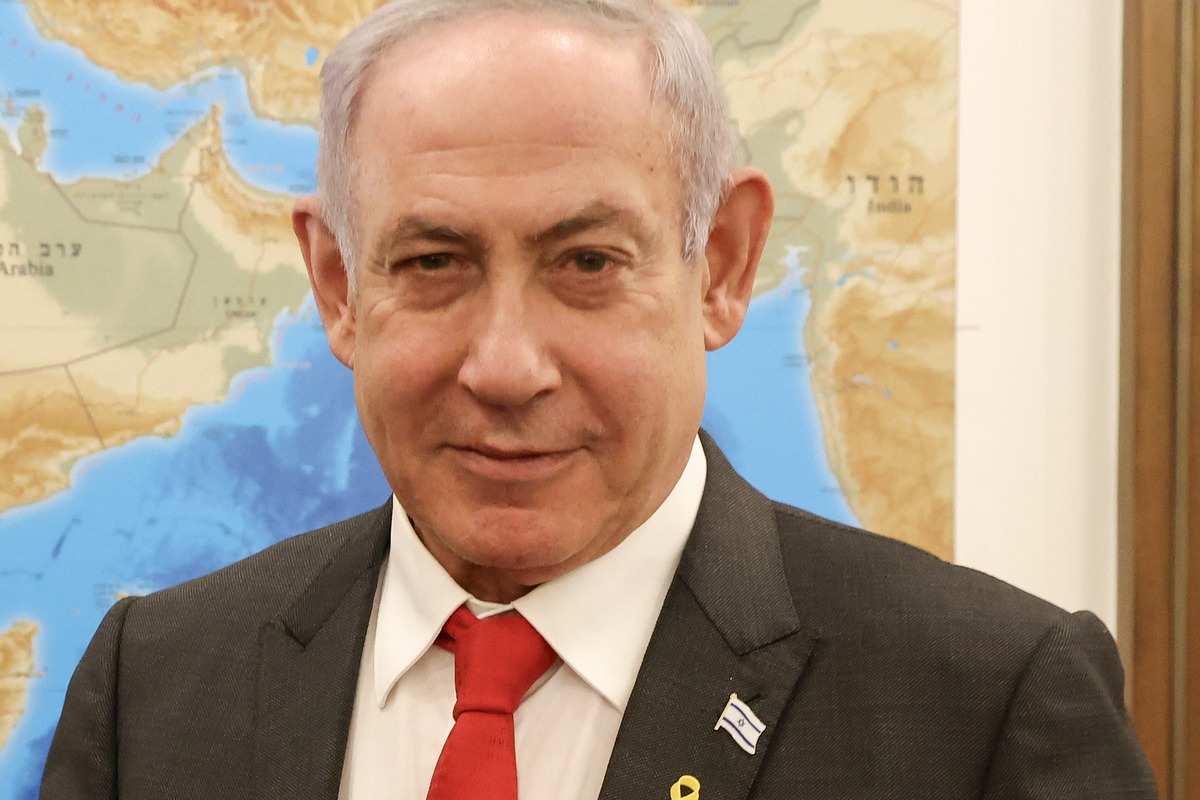
Gadi Eisenkot told the newly sworn-in 26th Knesset on Tuesday that he felt compelled to form an emergency government “as soon as possible,” saying Israel “is at a crossroads,” Yedioth Ahronoth reported. Herzog formally handed him the mandate at the President’s Residence on Sunday.
Eisenkot has 28 days from Sunday to assemble a coalition, with a possible extension of up to 14 days. He said he would work with his partners and reach out to other parties, adding that some had already been invited to join.
Later in November, Eisenkot struck coalition deals with Yisrael Beytenu and the Democrats.
Opening to Ultra-Orthodox Parties
Eisenkot and Yisrael Beytenu leader Avigdor Liberman agreed to open talks with Shas and United Torah Judaism, with a softened military draft law reportedly on offer, public broadcaster Kan reported. Channel 12 said the discussions were at an early stage and that the ultra-Orthodox parties were expected to seek a transitional arrangement of one year, possibly 18 months.
Eisenkot said his camp would not abandon conscription. “We are committed to service for all citizens. We will not surrender on the issue of service,” he told his Yashar faction, The Jerusalem Post reported.
Liberman, who had backed Eisenkot for prime minister, said the bloc was “looking for a compromise.” He listed his conditions as ending the Netanyahu era, preventing another election and ruling out a minority government that relies on Ra’am and the Joint List, according to Anadolu Agency.
The draft dispute has shaped Israeli coalitions before: Shas quit Netanyahu’s coalition in July 2025 over the issue. The 48 lawmakers of the Jewish-led parties in Eisenkot’s bloc, plus United Torah Judaism’s seven and Shas’s six, would make 61 seats, a bare majority in the 120-member Knesset. Netanyahu has assigned ministers to court ultra-Orthodox leaders in a bid to block an Eisenkot government, The Jerusalem Post reported.
How Herzog Chose Eisenkot
Israeli President Isaac Herzog has chosen Gadi Eisenkot to attempt to form the next government, opening a new phase of coalition bargaining after the Oct. 27 election left neither rival camp with a majority.
Herzog informed Eisenkot of his decision on Saturday after consultations with parliamentary factions and further talks with political leaders. The announcement does not install Eisenkot as prime minister or establish a governing coalition.
Endorsements Leave Coalition Unsettled
Factions representing 67 of the Knesset’s 120 lawmakers recommended Eisenkot, compared with 46 for Prime Minister Benjamin Netanyahu. United Torah Judaism, which holds seven seats, recommended neither candidate, according to Walla and Israel Hayom.
The decision follows the Joint List’s endorsement of Eisenkot, which widened his lead in the presidential consultations. Ra’am also backed his bid.
Those recommendations do not amount to an agreed coalition. Four Jewish-led parties supporting Eisenkot hold 48 seats, while Arab-led parties hold 19, according to a report by Al Jazeera and The Associated Press. Netanyahu’s right-wing and religious bloc holds 53.
Eisenkot has ruled out bringing the Arab-led parties into government unless they meet his conditions, the report said. Securing both United Torah Judaism and Shas would instead give his camp 61 seats, though Shas recommended Netanyahu.
Netanyahu has called for a broad government while rejecting reliance on Arab parties. He remains caretaker prime minister while efforts to assemble a successor administration continue.
A Standard Formation Deadline
Under Israel’s Basic Law: The Government, the first nominee has 28 days to form an administration. The president may grant extensions totaling up to 14 additional days; an extension is not automatic.
The timetable is the standard constitutional procedure, rather than a special arrangement for Eisenkot. A proposed government must still win the Knesset’s confidence before taking office.
Eisenkot served as Israel Defense Forces chief of staff from 2015 to 2019. He left Benny Gantz’s National Unity party in 2025 and founded Yashar!, which he leads in the current formation talks.
On Nov. 12, Netanyahu and Eisenkot issued a joint statement saying they would hold a diplomatic and security briefing in Jerusalem, with the prime minister’s military secretary present.
Axios later reported that the two men met for two hours on Thursday and that Mossad director Roman Gofman was in Washington as Netanyahu pressed Trump to resume the Iran war.
On Saturday, Netanyahu appealed again for a national unity government in a recorded video, citing what he described as a renewed Iranian nuclear threat.
Kamer Kurunç
Kamer Kurunç is the Editor-in-Chief of Clash Report and has led the outlet for four years. Kamer sets the site's editorial direction and writes and edits coverage across the World and Defense sections, with a focus on the Russia-Ukraine war, NATO, Israel and Iran, Türkiye, North Korea and nuclear weapons. Kamer has written more than 1,100 articles for Clash Report.
Choose Clash Report as a preferred source and see our reporting first in Top Stories.