Tracked vs Wheeled Armored Vehicles: Which Is Better and Why
Tracks or wheels? Armies have argued about it for decades. Here is how tracked and wheeled armored vehicles compare on mobility, speed, protection and cost, and why most forces use both.
Choose Clash Report as a preferred source and see our reporting first in Top Stories.
- Tracked vehicles such as the Abrams tank and Bradley fighting vehicle handle mud, snow and rough ground better and can carry heavier armor.
- Wheeled vehicles such as the Stryker and Boxer are faster on roads, quieter and usually cheaper to run and maintain.
- Neither is simply better. Armies choose based on terrain, mission, weight and how far they need to drive.
Few debates in land warfare have lasted as long as tracks versus wheels. Every army buying a new armored vehicle has to answer it, and the answer shapes how its forces move and fight.
This guide explains the main differences, the strengths of each design and why most modern armies end up using both.
What Is the Difference Between Tracked and Wheeled Vehicles?
A tracked vehicle runs on continuous metal or rubber belts wrapped around its road wheels. A wheeled vehicle runs on tires, usually six or eight of them on modern armored designs.
- Tracked examples: M1 Abrams, M2 Bradley, Leopard 2, CV90
- Wheeled examples: Stryker, Boxer, Piranha, Patria AMV
- Main trade-off: off-road mobility and protection versus road speed and running costs
Advantages of Tracked Vehicles
Tracks spread a vehicle’s weight over a much larger area. That lets heavy vehicles cross soft, muddy or snowy ground where tires would sink.
- Off-road mobility: better traction on difficult terrain and steep slopes
- Weight and protection: room to grow heavier with extra armor and bigger weapons
- Maneuverability: many tracked vehicles can pivot on the spot
- Survivability: a 2017 RAND study cited their “ability to fight and survive on the battlefield”
That is why main battle tanks are almost always tracked. Finland, for example, recently chose the tracked CV90 for its new infantry fighting vehicle fleet.
Advantages of Wheeled Vehicles
Wheeled vehicles shine on roads. They can drive long distances under their own power, often without needing heavy transporters or rail cars.
- Speed: faster on paved roads and better for rapid deployment
- Cost: generally cheaper to buy, fuel and maintain
- Less damage: they do not tear up roads the way heavy tracks can
- Lower noise: less vibration and metal-on-metal contact
The RAND study found wheeled vehicles showed “better on-road mobility, savings in maintenance, and reduced crew and squad fatigue.” Run-flat tires can also let a damaged vehicle keep moving, while a broken track usually stops a vehicle in place.
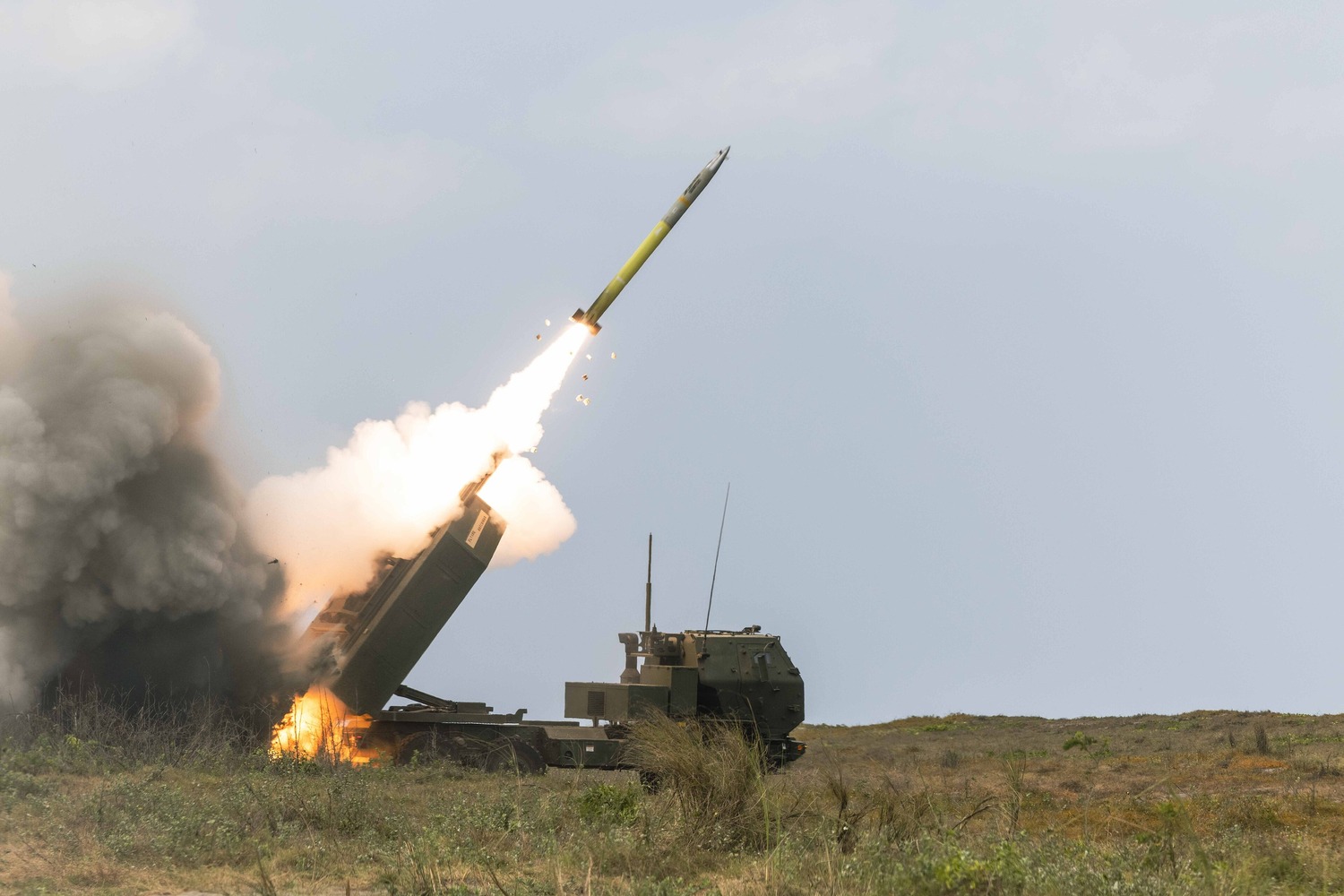
The same logic applies to artillery. The wheeled HIMARS rocket launcher is lighter and easier to move than the tracked M270 it complements.
Tracked vs Wheeled: Side-By-Side
| Factor | Tracked | Wheeled |
|---|---|---|
| Off-road mobility | Better | More limited |
| Road speed | Slower | Faster |
| Armor and weight | Can carry more | Lighter limits |
| Operating costs | Higher | Lower |
| Strategic mobility | Often needs rail or transporters | Can self-deploy by road |
Moving heavy tracked forces over long distances is still a logistics challenge. Germany, for instance, has reportedly moved tanks to Lithuania by rail.
Why It Matters
The choice affects how quickly an army can reach a crisis and how well it can fight once there. Light, wheeled brigades can arrive faster, while heavy tracked units hold ground better in high-intensity war.
Recent European fighting, with mud seasons and heavy artillery, has renewed interest in protected tracked vehicles. At the same time, armies still value wheeled fleets for speed and lower costs.
New technology is also blurring the line. The U.S. research agency DARPA has tested a reconfigurable wheel that can change into a track, though such systems are not yet in service.
Frequently Asked Questions
Which is better, tracks or wheels? It depends on the mission. Tracks are better for rough terrain and heavy armor, while wheels are better for speed and long road moves.
Why are tanks tracked? Tanks are very heavy, and tracks spread that weight so they can cross soft ground.
Is the Stryker tracked or wheeled? The Stryker is an eight-wheeled armored vehicle.
Is the Bradley tracked or wheeled? The M2 Bradley is a tracked infantry fighting vehicle.
Kamer Kurunç
Kamer Kurunç is the Editor-in-Chief of Clash Report and has led the outlet for four years. Kamer sets the site's editorial direction and writes and edits coverage across the World and Defense sections, with a focus on the Russia-Ukraine war, NATO, Israel and Iran, Türkiye, North Korea and nuclear weapons. Kamer has written more than 1,100 articles for Clash Report.
Choose Clash Report as a preferred source and see our reporting first in Top Stories.