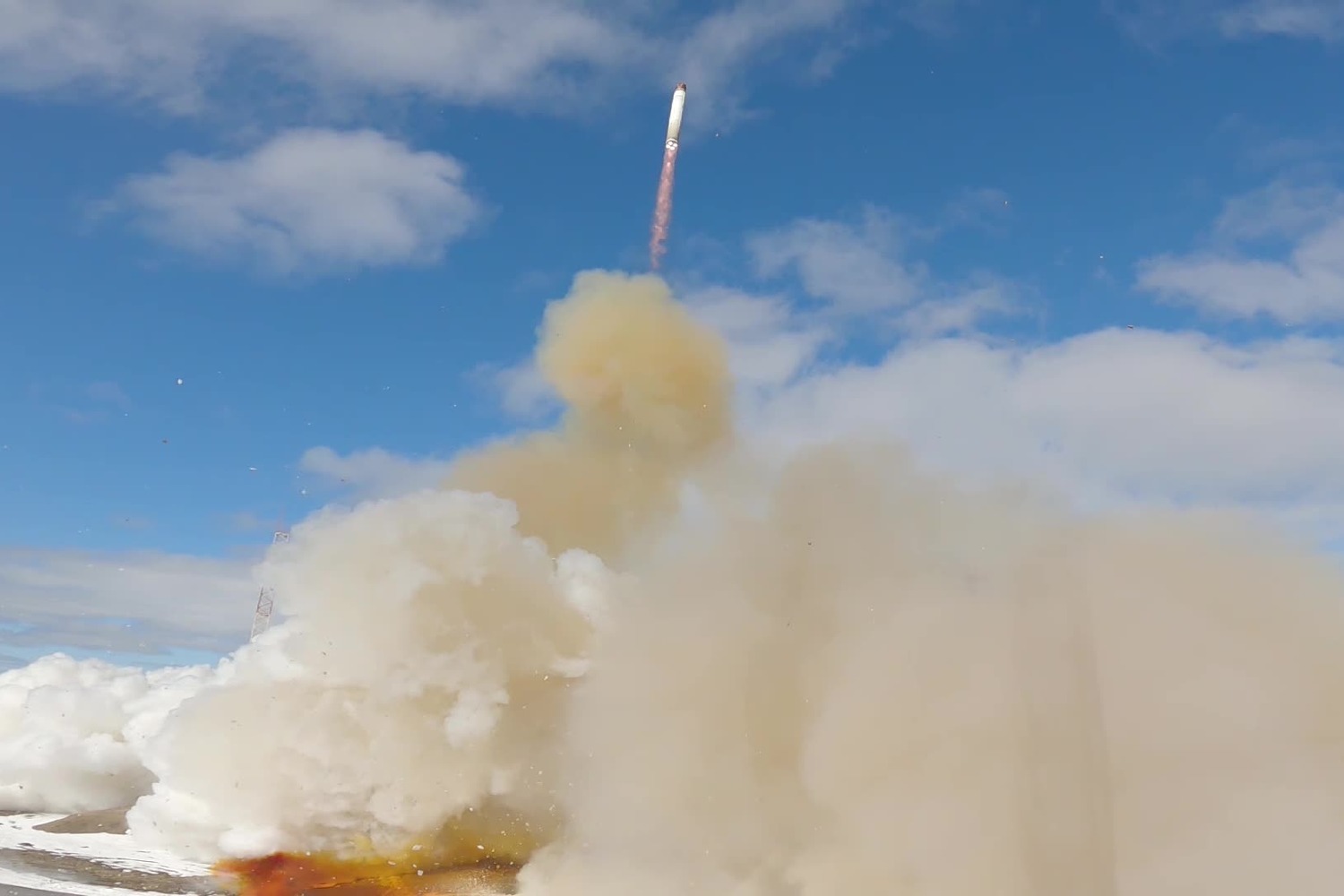
Russia Reportedly Could Launch Nuclear Satellite in December, Tagesschau Says
Western intelligence agencies believe Russia could launch a nuclear-armed satellite, reportedly named Sputnik-S, as early as December, Tagesschau reports. Russia calls the claims propaganda.
Choose Clash Report as a preferred source and see our reporting first in Top Stories.
- Western intelligence agencies believe Russia could launch a nuclear-armed satellite before the end of 2026, Tagesschau reported, citing research by WDR, NDR and Süddeutsche Zeitung.
- The satellite, reportedly named Sputnik-S, has allegedly been stored near Moscow for years. Germany’s military Space Command says a December launch is possible.
- Russia’s embassy denies the claims and calls them “part of a propaganda campaign.” Clash Report could not independently verify them.
Tagesschau reported Monday that Western intelligence services and militaries, including the Bundeswehr and Germany’s BND, expect Russia to put a nuclear-armed satellite into orbit this year. The findings were reportedly shared among some NATO states.
What the Report Says
Warnings in early November said it could launch within 60 days. The satellite is reportedly called “Sputnik-S” and has allegedly been fully built and stored in the Moscow region for several years. It would reportedly be operational shortly after reaching orbit.
What a Nuclear Blast in Space Could Do
U.S. Space Command chief Stephen Whiting said about a third of low-Earth-orbit satellites would likely fail within hours to days, with the rest gradually failing in following months.
Maj. Gen. Armin Fleischmann of Germany’s Cyber and Information Domain Command said consequences would be “immense: power outages, severe limits on communication or navigation.” Tagesschau adds GPS and banking would suffer.
The U.S. Defense Intelligence Agency says there would be few effective countermeasures once such a weapon is in orbit.
Also read: Trump, Xi, and Putin Open Unprecedented Talks on Ukraine, Nuclear Arms
Russia’s Response
The Russian embassy said it had no information about the described plans. It rejected “all unfounded insinuations” about Russian space activities as “part of a propaganda campaign.”
It said Russia’s space activities serve “exclusively peaceful purposes.” Germany’s Defense Ministry declined to answer specific questions.
Years of Warnings
In February 2024, U.S. Rep. Mike Turner warned of a “serious national security threat,” later tied to a Russian space weapon. The Kremlin called the warning a “malicious fabrication.”
In April 2024, Russia vetoed a UN Security Council resolution reaffirming the ban on nuclear weapons in orbit. The vote was 13 to 1, with China abstaining.
In October, the DIA said Russia is developing a satellite “designed to carry a nuclear weapon.”
Rules and Precedent
The 1967 Outer Space Treaty bans placing nuclear weapons in Earth orbit. The U.S. tested the effects in 1962 with Starfish Prime, a blast about 400 kilometers up that knocked out streetlights in Hawaii and destroyed several satellites.
Also read: Ukraine Parliament Backs Space Forces to Counter Oreshnik Threat
Why It Matters
If the reports are accurate, a launch would break the treaty and could threaten satellites worldwide.
Russia denies the claims, and no public evidence has emerged.
Kamer Kurunç
Kamer Kurunç is the Team Leader of Clash Report and has led the outlet for four years. He oversees its breaking world news coverage, from the Middle East and the Russia-Ukraine war to defense and global politics. His focus is fast, verified, source-based reporting. Follow him on X at @kamerknc.
Choose Clash Report as a preferred source and see our reporting first in Top Stories.