Malaysia Picks Türkiye as Preferred LCS Missile Supplier After Norway Halt
Malaysia has selected Türkiye as its preferred supplier of a replacement anti-ship missile for the navy’s Littoral Combat Ships after Norway withheld an export license for the Kongsberg Naval Strike Missile.
Choose Clash Report as a preferred source and see our reporting first in Top Stories.
Defense Minister Mohamed Khaled Nordin said Thursday that Türkiye had beaten proposals from France and Italy on price, delivery times and upfront costs. He spoke to reporters after the Defense Ministry’s 2026 Innovation Day at the Mindef Auditorium in Kuala Lumpur.
“The countries we invited to submit proposals were Türkiye, France and Italy. Following our evaluation, we identified Türkiye as the best option to replace the NSM missiles from Norway,” he said, according to The Star.
“We will now engage with the Turkish side for further negotiations before making a final decision.”
Khaled said the talks would run government-to-government through a Turkish state agency rather than directly with a private company.
Widely Identified as Atmaca
Khaled did not name the weapon in his remarks, referring instead to “the missile from Türkiye.” New Straits Times, Aviation Week and other defense outlets identified the system as Roketsan’s Atmaca anti-ship missile, already ordered for the navy’s Littoral Mission Ship Batch 2.
He said the surface-to-surface missile had a range of 250 km and that officials had received assurances it could be integrated with the ships’ combat management system, a point to be examined further in talks.
Norway Withholds the License
Malaysia contracted Kongsberg Defence & Aerospace in 2018 to supply Naval Strike Missiles for the Maharaja Lela-class Littoral Combat Ships. Oslo later revoked the export licenses, saying tighter controls now limit some of its most sensitive defense technology to allies and closest partners. Malaysia is not a NATO member.
Khaled said Kuala Lumpur had accepted that it would not receive the missiles despite having paid and met its obligations. The first stage of amicable negotiations had ended without a settlement.
Malaysia will now form a dispute resolution committee. If that fails, arbitration can be held in Kuala Lumpur. “However, all these processes will take time, and we cannot predict when the matter will be resolved or when the Norwegian company will refund the money,” he said.
He stressed that Malaysia would not wait for a refund before securing a replacement.
Existing Order May Speed Delivery
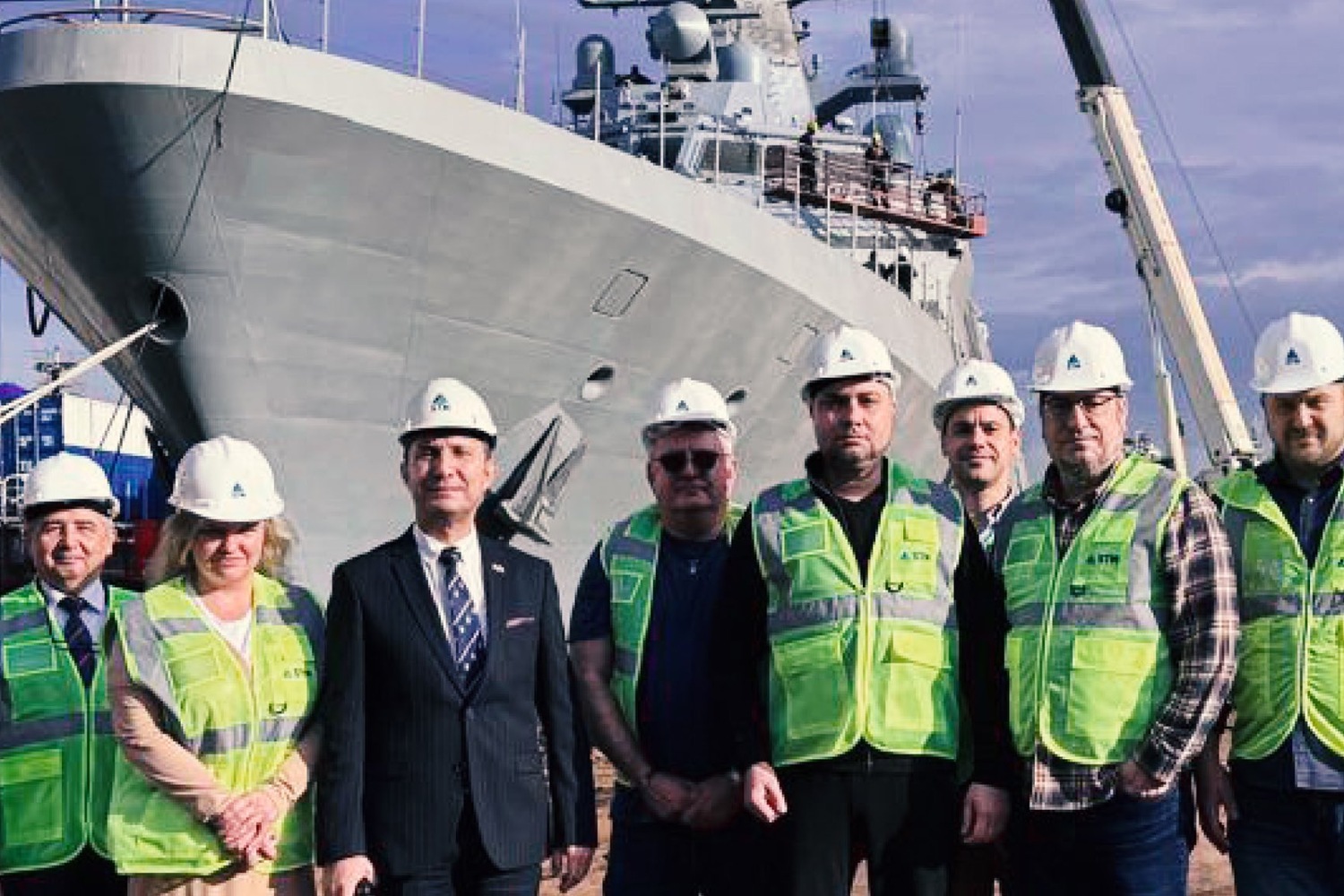
Khaled said Malaysia would not need an entirely new missile order, because the same system is already on contract for the Littoral Mission Ship Batch 2. Those ships are being built in Türkiye by STM.
A fresh procurement would take about 30 months, he said. With the existing order, an initial supply could arrive earlier, with Malaysian reports citing 2028 or 2029.
Additional costs would mainly cover launchers and integration with the LCS combat system. A completely new buy could cost between 700 million and 900 million ringgit, he said, a sum Malaysia would not now need to spend in full.
Kamer Kurunç
Kamer Kurunç is the Team Leader of Clash Report and has led the outlet for four years. He oversees its breaking world news coverage, from the Middle East and the Russia-Ukraine war to defense and global politics. His focus is fast, verified, source-based reporting. Follow him on X at @kamerknc.
Choose Clash Report as a preferred source and see our reporting first in Top Stories.